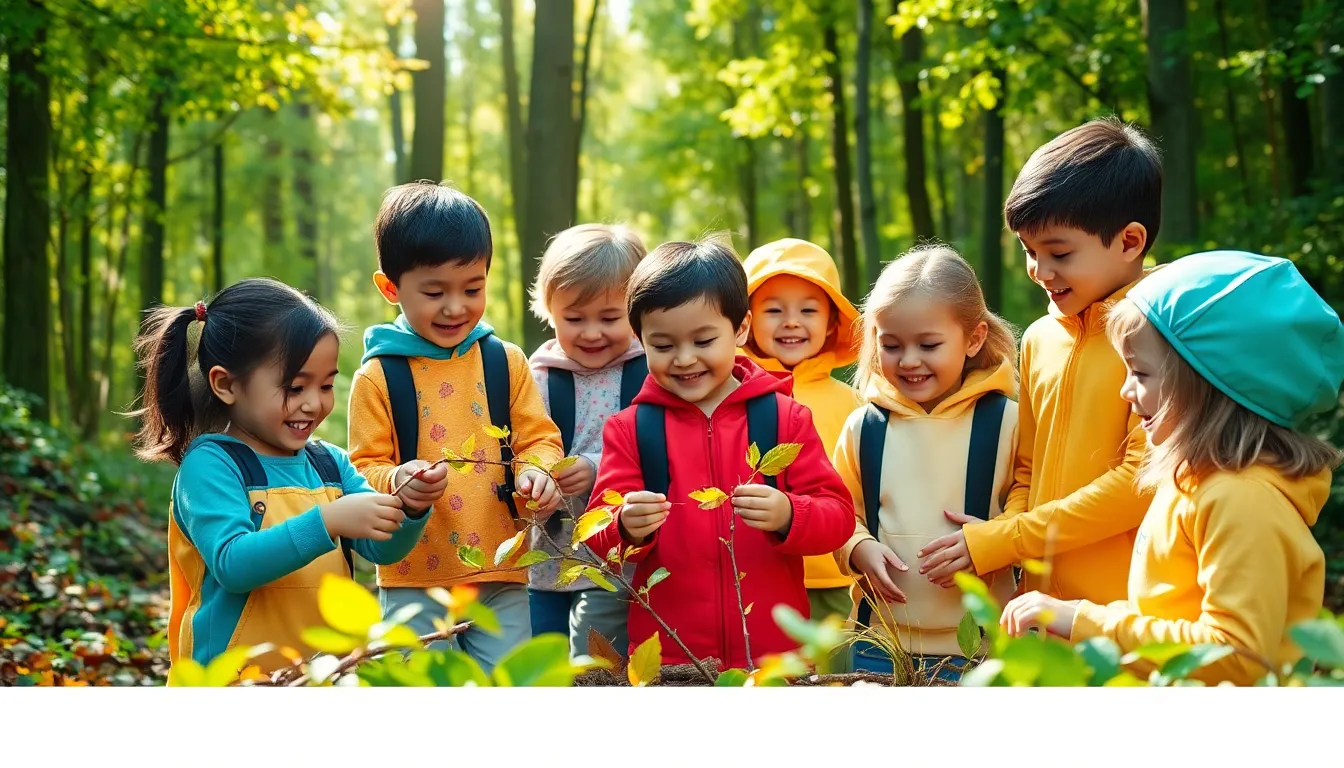
Imagine a classroom where the walls are made of trees and the desks are mossy logs. Welcome to nature preschool, where kids trade crayons for sticks and the playground is a wild adventure waiting to unfold. This innovative approach to early childhood education immerses children in the great outdoors, sparking their curiosity and nurturing a love for the environment.
In a world filled with screens and structured schedules, nature preschool offers a refreshing escape. It’s not just about learning; it’s about exploring, climbing, and getting a little muddy—because who needs a neat and tidy classroom when you can have a forest as your backdrop? As children dig in the dirt and observe wildlife, they develop essential skills that go beyond the traditional curriculum. Let’s dive into why nature preschool might just be the best decision for your little explorer.
What Is Nature Preschool?
Nature preschool is an innovative educational model designed for early childhood development. This approach immerses children in outdoor settings, replacing traditional classroom environments with natural elements. Characteristics of nature preschool include frequent outdoor activities that foster direct interaction with the environment.
Curricula often incorporate hands-on experiences, enabling children to explore various aspects of nature while developing crucial cognitive and physical skills. Teachers encourage curiosity and creativity, guiding children through activities like planting, observing wildlife, or collecting natural materials.
Play in nature promotes social skills through teamwork and problem-solving. By engaging with peers in unstructured outdoor play, children learn to communicate effectively and collaborate. Learning in this setting nurtures both emotional and physical well-being, as outdoor activities often yield improved focus and reduced stress levels when compared to conventional classrooms.
Nature preschools also align with educational standards, teaching core subjects like science and mathematics through real-world applications. Environmental awareness becomes a natural part of learning, instilling a sense of responsibility for the planet from a young age.
Ultimately, nature preschool represents a shift from screen-filled education to experiential learning. This education model provides children with the opportunity to grow, explore, and learn in tandem with their surroundings. The holistic development fostered in these settings underscores the importance of connecting with nature during formative years.
Benefits of Nature Preschool
Nature preschool offers numerous advantages that promote holistic child development. This form of education allows children to thrive physically, emotionally, and socially.
Physical Development
Physical development flourishes in nature preschools. Children engage in activities like climbing, running, and balancing on natural surfaces, which enhance their gross motor skills. Fine motor skills improve through hands-on tasks like planting seeds and building shelters. Research shows that outdoor play boosts overall health, reducing obesity rates among young children. Increased exposure to sunlight enhances vitamin D levels which are vital for bone health. Nature preschools encourage children to develop coordination and strength while navigating diverse terrains.
Emotional and Social Growth
Emotional and social growth occurs organically in nature preschools. Children experience reduced stress levels through outdoor play, fostering an environment that promotes emotional well-being. Collaborating on projects, such as group games or nature scavenger hunts, builds teamwork skills. Conflict resolution emerges naturally as children navigate disputes, enhancing their ability to communicate effectively. Opportunities for self-discovery arise as they explore their interests in a supportive setting. Nature preschools nurture empathy and respect for others, essential skills for long-term interpersonal relationships.
Curriculum and Activities
Nature preschools offer a curriculum rich in outdoor learning experiences and eco-friendly practices, fostering holistic development in children.
Outdoor Learning Experiences
Outdoor learning experiences form the core of nature preschool curricula. Activities like bird watching, nature walks, and gardening immerse children in hands-on exploration. Children engage with the environment to discover local flora and fauna, sparking curiosity. Team-based tasks promote social interaction and collaborative skills. Observing the changing seasons teaches them about life cycles and environmental stewardship. The physical challenges presented by natural terrains build motor skills while encouraging risk assessment. Such engaging experiences instill a lifelong appreciation for nature.
Eco-Friendly Practices
Eco-friendly practices feature prominently in nature preschool activities. Educators emphasize sustainability by incorporating lessons on recycling and conservation. Children actively participate in activities like composting and creating natural art projects from recycled materials. Learning about responsible consumption and waste reduction becomes part of their daily routine. The importance of protecting natural habitats gets highlighted through discussions and hands-on projects. These practices not only educate about environmental responsibility but also nurture a sense of agency in shaping a healthier planet.
Choosing the Right Nature Preschool
Selecting the right nature preschool involves careful consideration of various factors that align with a child’s needs and learning style. Parents must prioritize these elements to ensure a nurturing environment.
Key Factors to Consider
Curriculum flexibility promotes a range of learning experiences. Educational philosophies vary, so reviewing each preschool’s approach is essential. Outdoor facilities play a crucial role; ample space for exploration enhances children’s engagement. Staff qualifications matter as trained educators facilitate meaningful interactions. Location convenience matters for daily logistics and routine. Safety measures must also be assessed; outdoor settings should provide secure environments for discovery.
Questions to Ask
Inquiring about the curriculum can provide insights into daily activities. What methods do teachers use to integrate nature into learning? Parents should also ask about staff experience in outdoor education. How are safety protocols implemented during outdoor activities? Understanding how preschools foster social interactions among children is important. Are there collaborative projects that enhance teamwork? Finally, discussing environmental education practices can reveal how the school instills a sense of responsibility for nature.
Nature preschool offers a transformative approach to early childhood education that prioritizes outdoor exploration and hands-on learning. By immersing children in nature, it cultivates curiosity and essential life skills while fostering a deep connection to the environment. This method not only enhances physical and cognitive development but also nurtures emotional and social growth through collaborative experiences.
As parents consider educational options, nature preschool stands out as a compelling choice that aligns with modern educational standards while promoting environmental stewardship. With the right guidance and a supportive environment, children can thrive in their formative years, developing a lifelong appreciation for the natural world. Embracing this innovative approach could shape a generation of responsible and engaged individuals ready to tackle the challenges of tomorrow.