
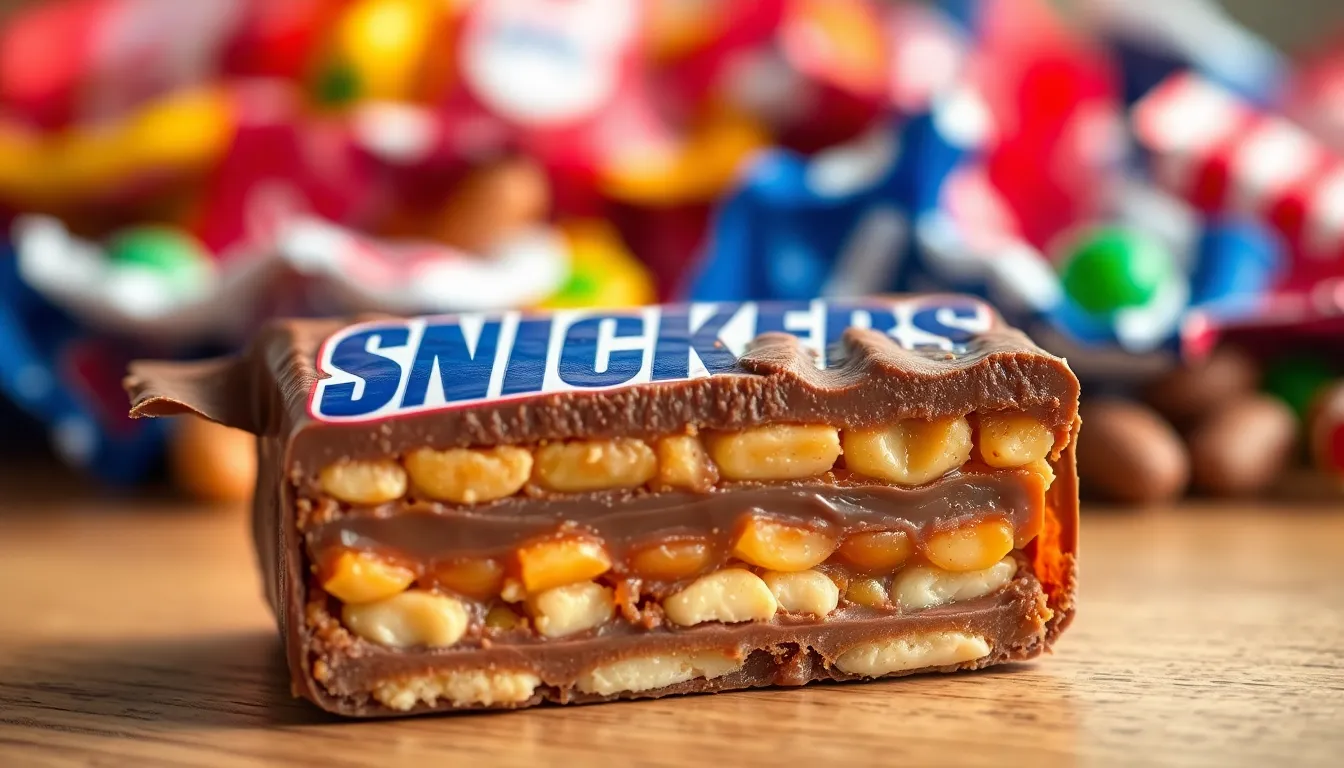
When cravings hit, few things satisfy quite like a Snickers bar. That delicious combination of chocolate, caramel, peanuts, and nougat is hard to resist. But before diving into that sweet, nutty goodness, have you ever wondered how many calories are hiding inside?
Overview Of Snickers Bar
A Snickers bar combines several appealing ingredients. Chocolate coating encases a layer of nougat, which sits beneath a rich layer of caramel and crunchy peanuts. This combination creates a satisfying texture and flavor profile.
In terms of nutrition, a standard 52.7-gram Snickers bar contains approximately 250 calories. Protein content reaches about 4 grams while total fat is around 12 grams. Carbohydrates, providing most of the energy, amount to roughly 33 grams.
Vitamins and minerals are present but in small quantities. Each Snickers bar offers minimal vitamins but does contain small amounts of potassium and calcium. The high-calorie count stems primarily from sugar and fat content.
Eating a Snickers bar offers instant gratification, yet portion control matters. One Snickers mini bar contains approximately 100 calories, making it a more moderate option for those watching their intake.
Understanding these aspects can help assess how a Snickers fits into one’s diet. It remains a popular choice for those seeking a quick source of energy and a sweet treat. Balancing indulgence with nutritional awareness enhances overall dietary habits.
Nutritional Breakdown
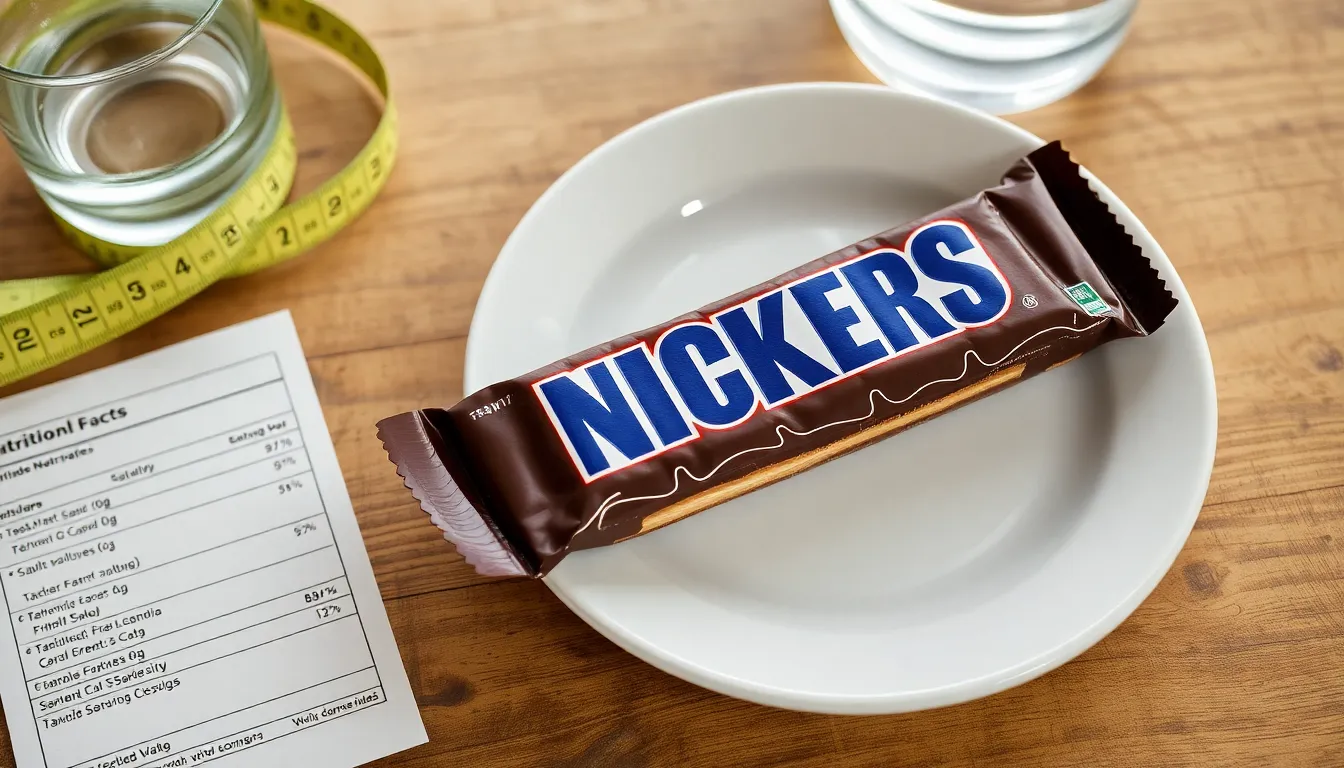
Understanding the nutritional profile of a Snickers bar highlights its caloric content and other components. This knowledge assists readers in making informed choices about their snacks.
Calories In A Snickers Bar
A standard 52.7-gram Snickers bar contains approximately 250 calories. This significant calorie count primarily stems from its sugar and fat content. Portion control becomes essential, especially for those managing their caloric intake. A mini Snickers bar, weighing less, offers around 100 calories, serving as a lighter alternative for snackers.
Other Nutritional Components
Beyond calories, a Snickers bar contains 4 grams of protein and 12 grams of total fat. These nutritional values contribute to its energy-providing capabilities. Each bar also includes 33 grams of carbohydrates, which serves as a primary energy source. Nutritionally, it provides minimal vitamins and minerals, although it contains small amounts of potassium and calcium. Focusing on these components helps individuals gauge how a Snickers bar fits into their overall dietary balance.
Factors Influencing Caloric Content
Caloric content in a Snickers bar varies depending on several factors. Understanding these factors provides readers with insights into the possible variations in their favorite treat.
Size Variations
Different sizes of Snickers bars lead to varying caloric levels. A standard 52.7-gram bar contains approximately 250 calories. Snickers fun size bars weigh about 20 grams and provide roughly 100 calories. For those opting for the share size, which weighs around 92 grams, the calorie count rises to approximately 440 calories. Each size change directly affects the overall caloric intake, making it essential for mindful consumers to consider portion sizes when enjoying these snacks.
Additional Ingredients
The additional ingredients in a Snickers bar also influence its caloric content. The combination of chocolate, nougat, caramel, and peanuts creates a rich blend of flavors, but it also increases calorie levels. Each ingredient contributes varying amounts of fat and sugar. For instance, the caramel, while delicious, adds substantial sugar, raising the overall calorie count. Peanuts provide protein but also contain fats, further contributing to caloric density. Evaluating these ingredients helps individuals understand how indulgence might impact their dietary choices.
Comparison With Other Candy Bars
The caloric content of a Snickers bar can be compared with various popular candy bars to gauge its nutritional standing. A standard Reese’s Peanut Butter Cup, for instance, contains about 210 calories per 2-piece serving, which is slightly lower than Snickers. Meanwhile, a 51-gram Milky Way bar packs approximately 240 calories, making it comparable to Snickers in terms of energy density.
When looking at a 40-gram Twix bar, it delivers around 250 calories, aligning with Snickers yet differing in ingredients and texture. The Peanut M&M’s candy offers a different experience, with a regular serving size of about 132 calories for a 32-gram package, showing a lower calorie count overall.
Portion sizes also impact the caloric comparisons among candy bars. A fun size Twix holds about 80 calories, while mini Snickers bars sit around 100 calories. This indicates that smaller portions can help manage calorie intake while satisfying sweet cravings.
Most candy bars share similar macronutrient profiles, emphasizing varying sugar and fat levels. For example, chocolate bars like Snickers and Milky Way typically feature higher sugar levels contributing to their overall caloric counts. Each brand’s unique combination of chocolate, caramel, and nuts or nougat creates distinct flavors and satisfaction levels.
Nutrition information can vary based on the serving size and brand, making it essential to check packaging for precise details. Diversifying candy choices allows individuals to enjoy a range of treats while remaining mindful of their caloric consumption.
A Snickers bar is a delicious treat that many enjoy but comes with a notable calorie count. With approximately 250 calories in a standard bar it’s essential for snackers to be aware of their choices. For those looking to indulge while keeping caloric intake in check mini or fun size options provide a more moderate alternative.
Understanding the caloric content and nutritional breakdown of Snickers can help individuals make informed decisions about their snacking habits. By considering portion sizes and ingredient contributions it’s possible to enjoy the rich flavors of a Snickers bar without compromising dietary goals. Balancing indulgence with mindfulness allows for a satisfying treat experience.