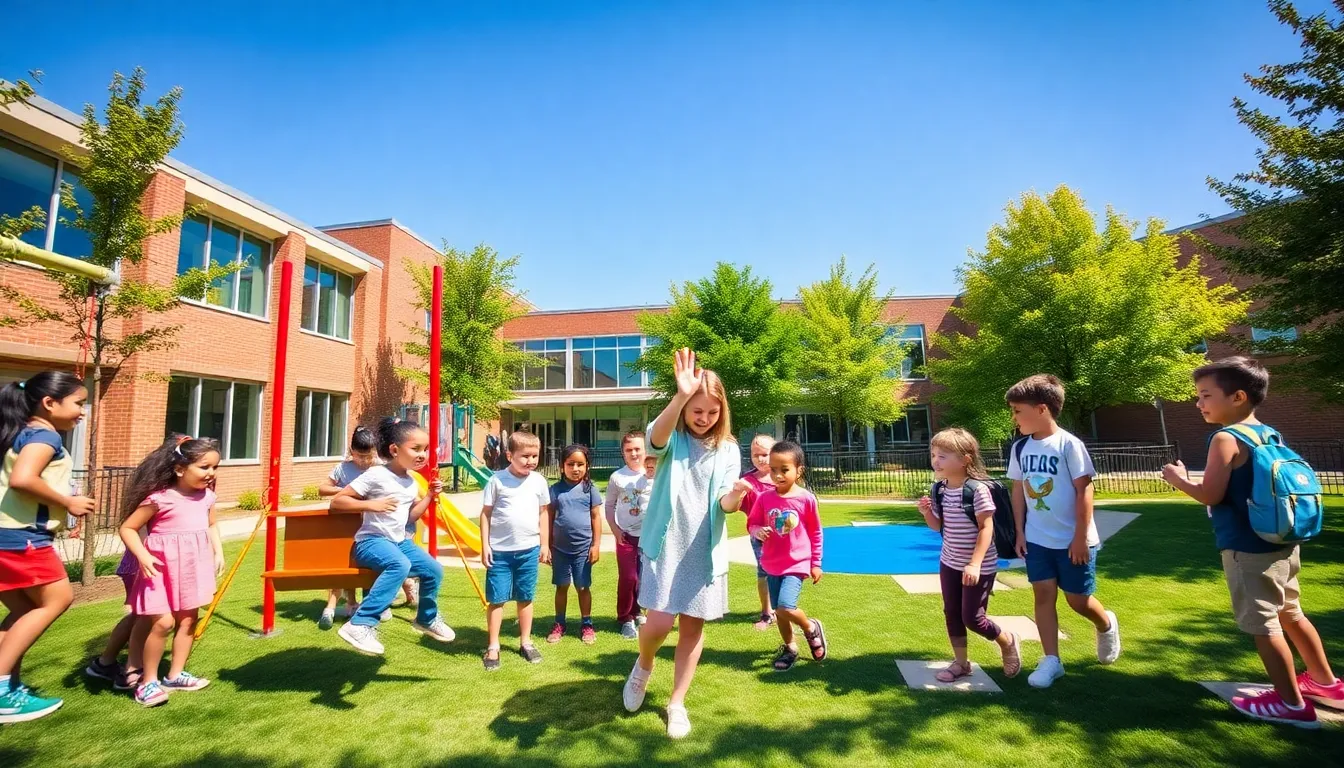

Imagine a classroom where everyone’s invited to the party—yes, even the kid who insists on wearing dinosaur pajamas every day. Inclusive preschools are breaking down barriers and proving that learning is way more fun when it’s a mixed bag of personalities and abilities. These vibrant environments not only foster friendships but also teach kids the valuable lesson that differences are something to celebrate, not shy away from.
Understanding Inclusive Preschools
Inclusive preschools provide environments where all children can thrive together, emphasizing respect and understanding of diverse abilities and backgrounds. These settings aim to help every child feel valued and included.
Definition of Inclusive Preschools
Inclusive preschools integrate children with and without disabilities in a single classroom. Each child has access to the same curricular and extracurricular activities, fostering an environment of empathy and cooperation. Teachers adapt lessons to meet individual needs, ensuring that all children can participate fully in their learning experiences. Such classrooms prioritize diversity, creating a rich tapestry of interactions among children of various abilities.
Importance of Inclusion in Early Childhood Education
Inclusion in early childhood education promotes social skills and emotional growth. Children learn empathy by interacting with peers from different backgrounds. Exposure to diverse perspectives fosters an understanding of differences and enhances communication skills in young learners. Research indicates that inclusive settings lead to improved academic outcomes for all children. Developing friendships in these inclusive environments lays the groundwork for future relationships and social competence.
Benefits of Inclusive Preschools
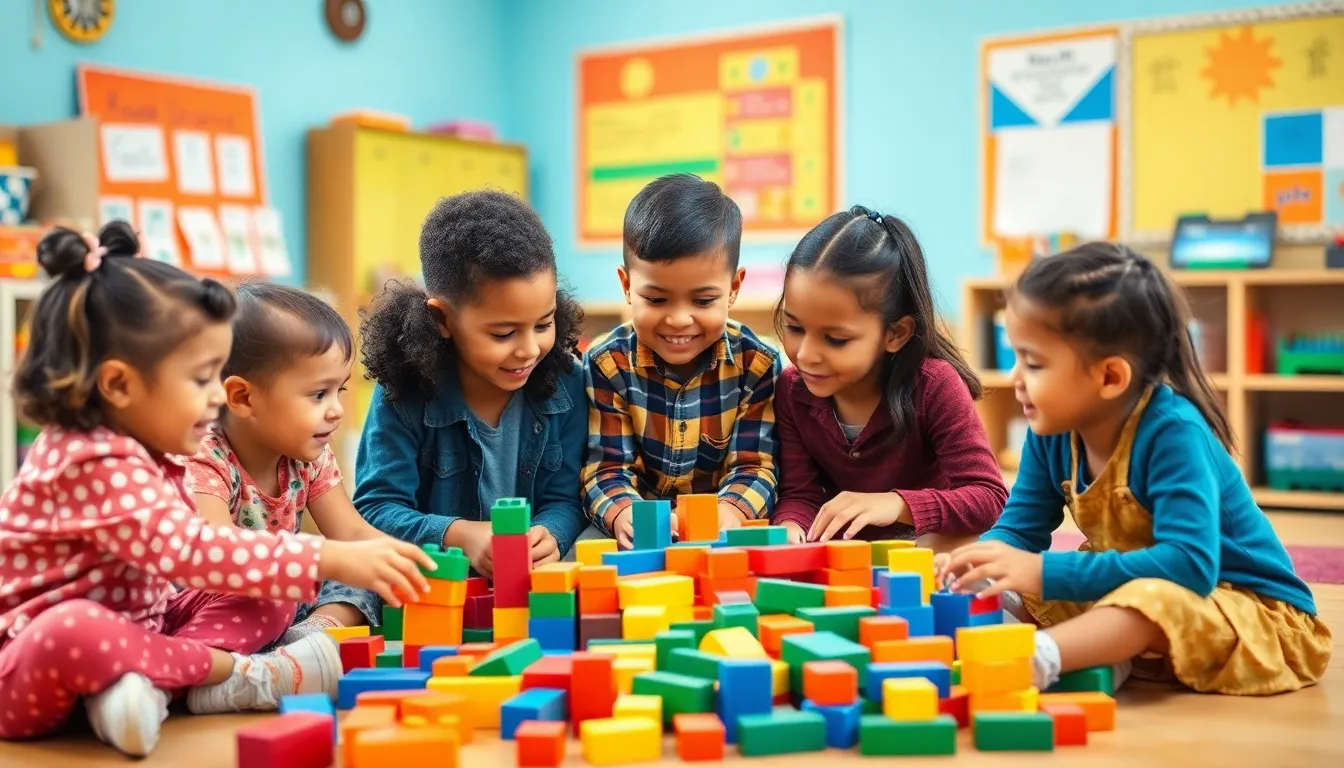
Inclusive preschools offer numerous advantages that positively impact children. They create a rich learning environment tailored for every child’s growth.
Social Development
Children in inclusive preschools often forge friendships with peers of diverse backgrounds. Such interaction nurtures respect for differences and fosters empathy. Cooperative play develops essential social skills, enabling children to work together effectively. Collaborative activities, like group projects or shared games, promote teamwork and communication. Exposure to varied perspectives enriches children’s social experiences, laying a solid foundation for future relationships.
Cognitive Growth
Cognitive development thrives in inclusive settings through diverse learning opportunities. Children learn from each other’s unique strengths and abilities. Varied teaching strategies help meet individual learning styles, enhancing problem-solving skills. Engaging in a dynamic environment fosters critical thinking and creativity. Research indicates inclusive preschools often yield better academic outcomes for all children involved, as they benefit from collaborative learning experiences.
Emotional Support
Emotional benefits arise from the supportive atmosphere of inclusive preschools. Children develop self-confidence as they navigate interactions with peers. Positive reinforcement from teachers promotes resilience and emotional intelligence. Inclusive environments nurture compassion and understanding, helping children process their emotions constructively. Overall, strong emotional support helps children better express themselves, forming a foundation for healthy emotional development.
Challenges of Implementing Inclusive Preschools
Implementing inclusive preschools presents several challenges that require attention.
Resource Allocation
Resource allocation often poses difficulties. Schools need financial support to provide the necessary tools and materials for all students. Adequate funding ensures access to specialized resources like adaptive technology and sensory materials. Inadequate classroom space may limit the number of children with diverse needs that can be accommodated. Staff-to-student ratios also play a crucial role; appropriate ratios allow for better individual attention. Schools face pressure to balance budgets while meeting the needs of every child effectively. Finding innovative solutions for resource distribution becomes essential for promoting true inclusion.
Training for Educators
Training for educators remains a significant hurdle. Effective implementation of inclusive practices requires comprehensive professional development. Educators must receive training on diverse learning styles and effective strategies for modifying lessons. The absence of adequate training can lead to misunderstandings and miscommunication about inclusion. Continued education workshops provide familiarity with inclusive techniques and expectations. Encouraging collaboration among educators supports knowledge sharing and growth, enhancing their skills for inclusive settings. Prioritizing ongoing training ensures educators feel confident in their ability to meet every child’s needs.
Attitudinal Barriers
Attitudinal barriers frequently hinder the acceptance of inclusive preschools. Misconceptions about disabilities may lead to reluctance from parents and community members. Fostering a culture of acceptance and understanding is vital for overcoming these barriers. Engaging families in discussions about the benefits of inclusivity can help shift perceptions. Leaders must promote awareness campaigns that highlight successful inclusive experiences. Building an environment that values diversity encourages a more positive outlook on inclusion. Addressing these attitudes forms a crucial step in the successful implementation of inclusive preschools.
Success Stories in Inclusive Preschools
Inclusive preschools have demonstrated remarkable success in nurturing children’s development across various dimensions. The following sections explore specific case studies and the impact of parental involvement in these settings.
Case Studies
One notable example is Oak Tree Preschool, which successfully integrates children with autism and typical development. Teachers adapt their approaches to meet individual learning needs. For instance, they use visual schedules and sensory breaks to support children during transitions. Another impressive case is Sunshine Academy, where children engage in cooperative project-based learning. This format encourages peer interaction and fosters friendships among all students. Data from these environments reveal that children in inclusive preschools show significant gains in communication skills and social connections.
Parental Involvement
Engagement from parents plays a crucial role in the success of inclusive preschools. Families often collaborate with teachers to create supportive learning experiences. Parents participate in workshops designed to share strategies for reinforcing inclusion at home. They also volunteer in classrooms, providing additional resources and fostering community connection. Strong communication between educators and families enhances mutual understanding and respect for diverse abilities. Studies indicate that increased parental involvement correlates with better emotional outcomes for children, promoting a sense of belonging in inclusive settings.
Inclusive preschools play a vital role in shaping a more compassionate and understanding society. By fostering environments where children of all abilities learn together they not only enhance individual growth but also promote essential social skills. The friendships formed in these settings provide a strong foundation for future interactions and cooperation.
As communities continue to embrace inclusion in early childhood education the benefits extend beyond the classroom. With a commitment to overcoming challenges and ensuring adequate resources inclusive preschools can transform the educational landscape. This transformation ultimately leads to a brighter future for all children as they develop the empathy and resilience needed to thrive in an increasingly diverse world.