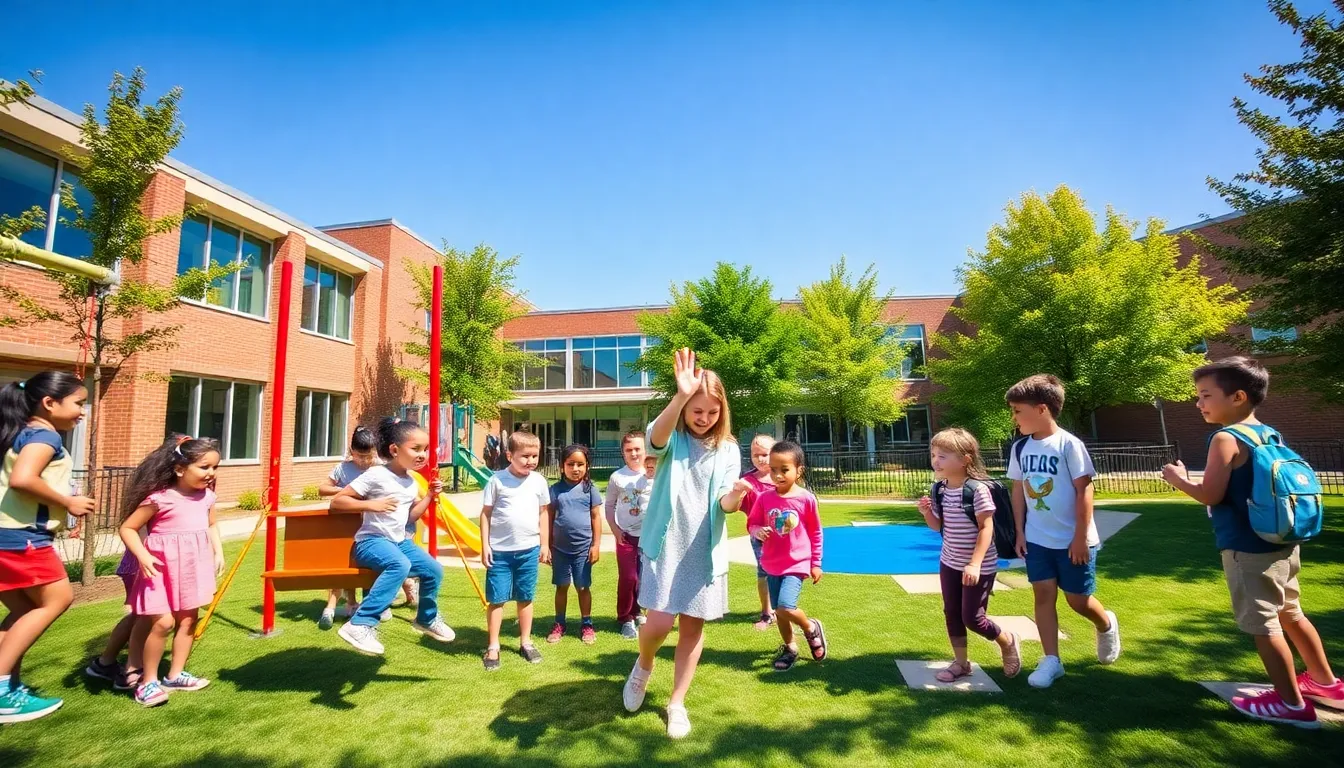

Navigating the emotional landscape of preschoolers can feel like trying to herd cats on roller skates. One minute they’re giggling over a snack, and the next, a toy dispute erupts into a full-blown meltdown. Understanding preschool emotions isn’t just about surviving snack time; it’s key to fostering healthy emotional development.
Understanding Preschool Emotions
Grasping preschool emotions is essential for supporting children during their early developmental stages. Recognizing these emotional patterns helps caregivers create nurturing environments where kids can thrive.
Importance of Emotional Development
Emotional development in preschoolers fosters resilience and social skills. Children learn to express feelings and respond to others’ emotions. Mastering these skills contributes to healthy relationships later in life. Developmental experts indicate that emotional understanding leads to improved communication and empathy. Social interactions become more meaningful as children navigate complex feelings. Engaging with peers while managing emotions builds confidence. Prioritizing emotional health lays the groundwork for overall well-being in adulthood.
Common Emotions in Preschoolers
Preschoolers experience a range of emotions, including joy, anger, fear, and sadness. Joy often manifests during playtime with friends. Anger can emerge when sharing toys or during transitions. Fear may occur in response to new situations, such as starting school. Sadness frequently appears after a loss, such as a pet or moving away. Each emotion, while transient, serves as a crucial learning opportunity. Identifying these emotions allows caregivers to acknowledge feelings and provide appropriate guidance. Understanding the spectrum of emotions enables preschoolers to better articulate their experiences.
Factors Influencing Preschool Emotions
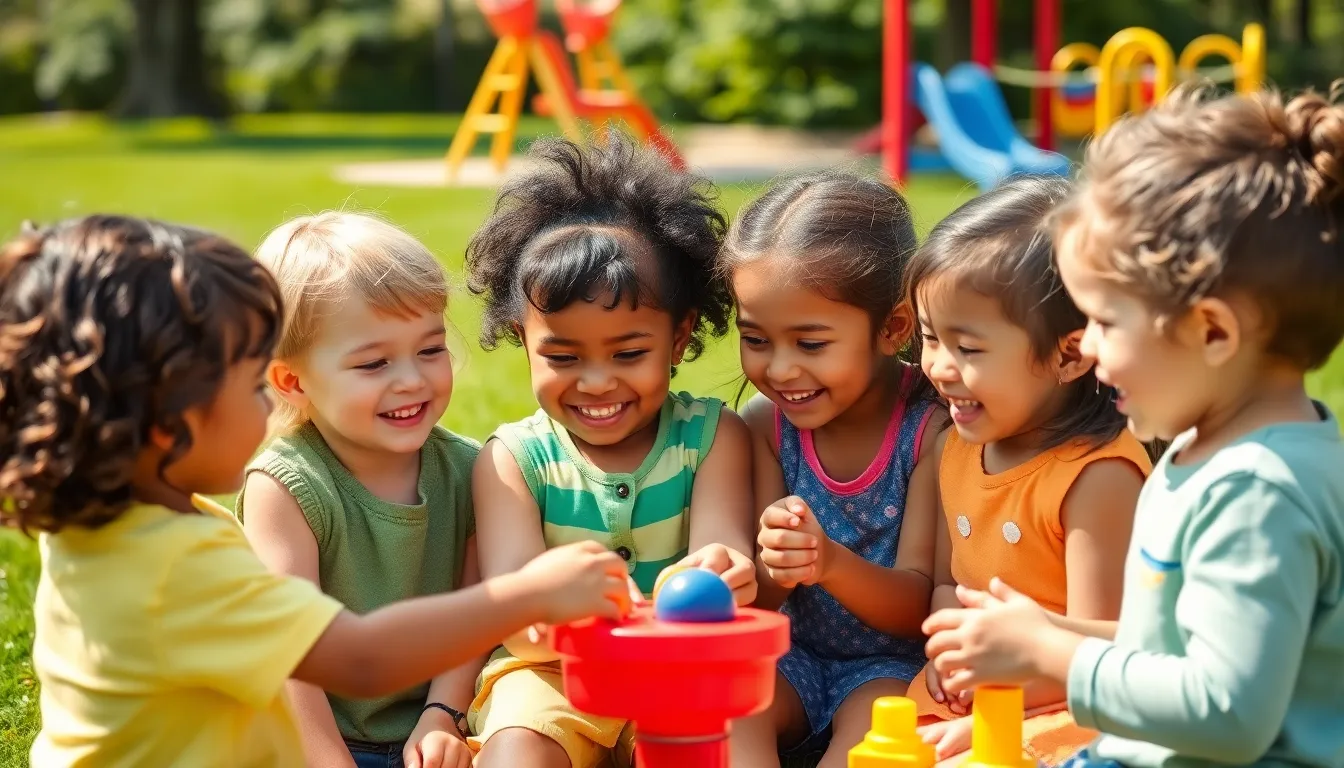
Understanding factors that influence preschool emotions enhances support strategies for young children. Several critical elements play significant roles in shaping these emotions.
Family Environment
Family environment significantly affects preschool emotions. An emotionally supportive family fosters positive feelings such as joy and security. Parents who model healthy emotional responses teach children effective ways to manage their feelings. Stability within the home creates a sense of safety, allowing children to express emotions without fear of reprimand. Communication styles also influence emotional expression. Open discussions about feelings help children articulate their emotions better.
Peer Interactions
Peer interactions further impact emotional development in preschoolers. Friendships formed during playtime create opportunities for sharing emotions like empathy and cooperation. Positive social experiences enhance feelings of acceptance and belonging. Conflict among peers teaches kids how to navigate frustrations and resolve differences. Engaging in collaborative activities promotes teamwork and understanding of others’ emotions. Overall, these interactions contribute to the emotional landscape, shaping how children form relationships in the future.
Supporting Emotional Development in Preschool
Supporting emotional development in preschoolers involves both parents and educators actively engaging in strategies that nurture emotional understanding and expression.
Strategies for Parents
Parents play a crucial role in emotional development. They can create open lines of communication by encouraging children to express their feelings. Sharing personal emotions helps kids learn emotional vocabulary and the importance of feelings. Establishing routines provides stability, allowing children to feel secure as they navigate complex emotions. Modeling healthy emotional responses also teaches children effective coping mechanisms. Reading books about emotions together prompts discussions that promote understanding and empathy. Praising children for emotional expression reinforces their willingness to share feelings with others.
Strategies for Educators
Educators significantly influence preschoolers’ emotional growth within the classroom setting. Creating a safe and supportive environment fosters trust and encourages children to express their emotions freely. Incorporating activities that promote emotional recognition, such as using emotion cards, helps children identify and label their feelings. Encouraging collaborative play enhances social skills and empathy, allowing kids to learn from each other. Addressing conflicts among peers teaches essential problem-solving skills and emotional regulation. Regularly integrating discussions about emotions in lessons cultivates a culture of emotional awareness and acceptance in the classroom.
The Role of Play in Emotional Expression
Play serves as a vital channel for preschoolers to express and understand emotions. Engaging in various types of play not only allows them to explore their feelings but also facilitates emotional connections with peers and caregivers.
Types of Play That Foster Emotions
Imaginative play creates scenarios where preschoolers can act out various emotional experiences. Role-playing helps them navigate complex feelings like empathy and sadness. Additionally, cooperative play encourages teamwork, prompting children to work through frustrations together. Constructive play—like building with blocks—allows for feelings of achievement. Integrating these types of play nurtures emotional intelligence and resilience, laying a solid foundation for future social interactions.
Observing Emotions During Play
Caregivers can gain valuable insights by observing children during play. Changes in behavior, such as increased excitement or signs of frustration, signal emotional responses. Noticing how children react to winning or losing during games provides clues to their coping mechanisms. Awareness of peer interactions helps identify emotional growth opportunities. Regular observations support emotional development, allowing caregivers to offer timely guidance and encouragement, deepening the understanding of children’s emotional landscapes.
Navigating the emotional world of preschoolers is crucial for their overall development. Recognizing and responding to their emotional shifts lays the foundation for healthy relationships and resilience. By fostering an emotionally supportive environment at home and in educational settings, caregivers can significantly enhance children’s ability to express and manage their feelings.
Strategies such as open communication and engaging play not only promote emotional understanding but also strengthen bonds between children and their caregivers. Observing children during playtime offers invaluable insights into their emotional states, enabling timely guidance. Ultimately, nurturing preschool emotions equips children with the skills they need for a successful emotional journey into adulthood.