
Crafting isn’t just for adults with Pinterest boards and a penchant for glitter; it’s a magical world where kids can unleash their creativity and transform ordinary materials into extraordinary masterpieces. Imagine a rainy afternoon, armed with construction paper, glue, and a sprinkle of imagination. Suddenly, boredom vanishes, and a cardboard box becomes a spaceship ready to explore the galaxy!
Overview of Crafts for Kids
Crafts for kids encourage creativity and self-expression. Various projects engage children in hands-on activities that enhance fine motor skills and critical thinking. Children can explore their imaginations using basic supplies such as paper, glue, and scissors.
Artistic projects provide opportunities for children to learn about colors, shapes, and textures. Painting allows for exploration of different techniques, such as blending or brush strokes. Building models from recyclable materials, like cardboard boxes or plastic bottles, fosters problem-solving abilities and sustainability awareness.
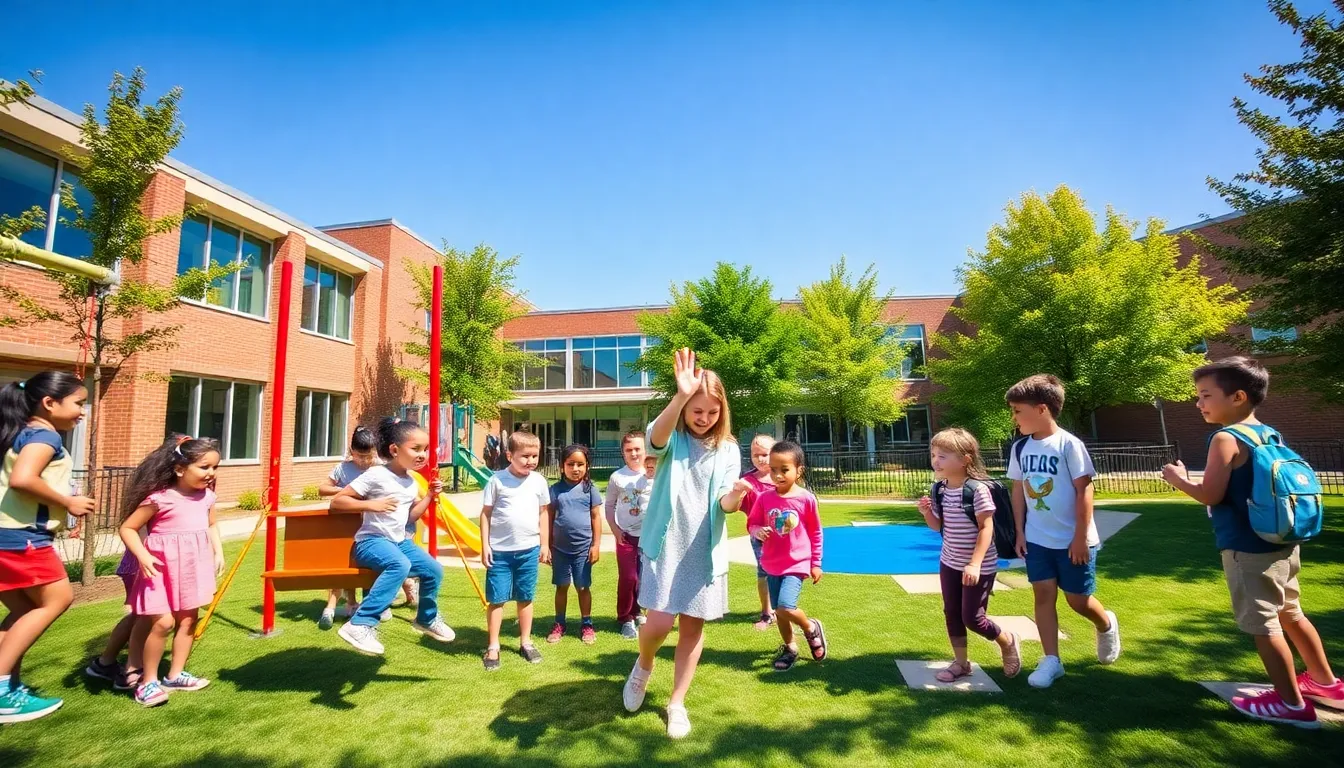
Group activities make crafting a social experience. Collaborating with peers promotes teamwork and communication skills. Kids can participate in themed projects, such as making holiday decorations or birthday cards, which create a sense of community and shared celebration.
Diverse crafting styles range from simple to complex. Examples include bead stringing, origami, and creating bookmarks. Each style captures attention and suits various skill levels. Adult supervision can enhance both safety and guidance, ensuring kids learn valuable skills while having fun.
Some crafts integrate educational themes, like science or history. Experimenting with homemade slime teaches children about chemical reactions. Creating historical dioramas fosters research skills and creativity together.
Crafts for kids offer endless possibilities for exploration and learning. Unique projects ignite imagination and inspire a love for creating. These activities enrich childhood experiences, shaping skills and memories that last a lifetime.
Benefits of Crafting for Children
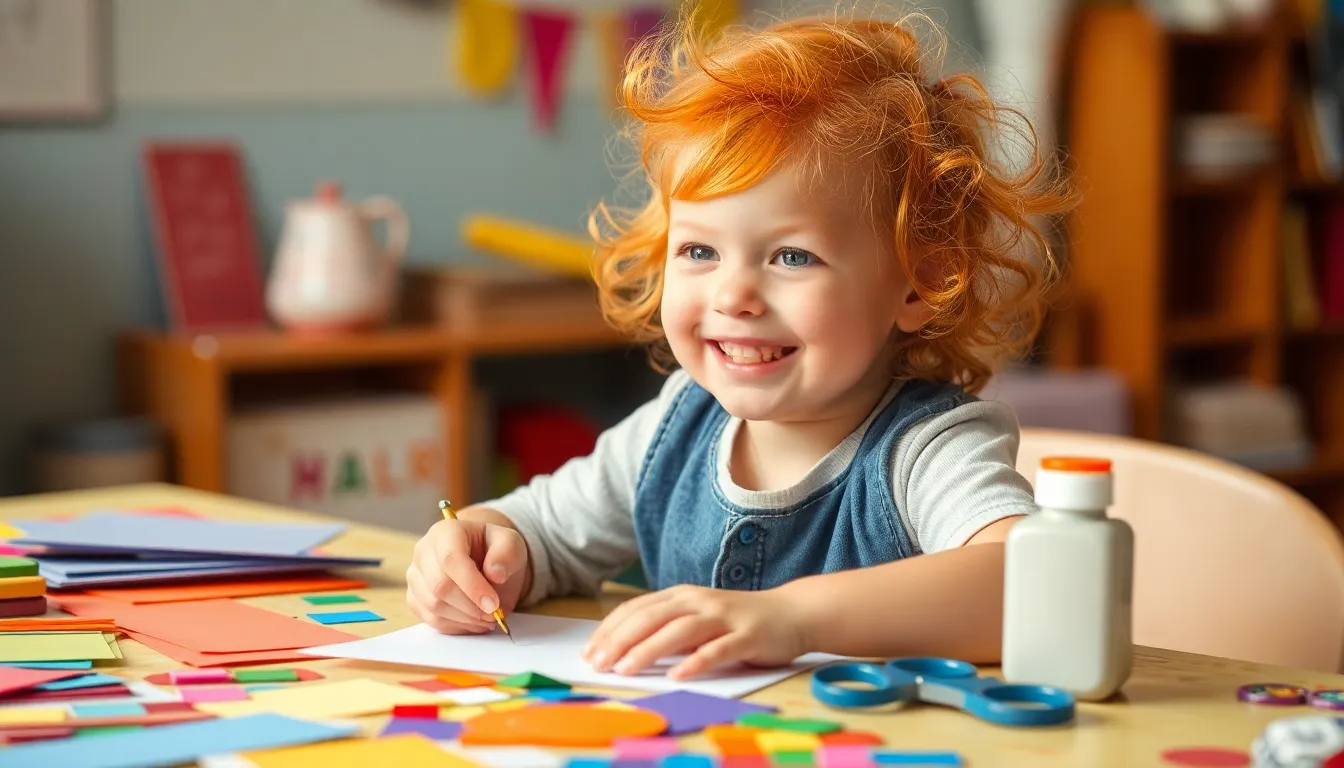
Crafting provides numerous advantages for children. These activities fuel creativity and promote skill development in engaging ways.
Enhancing Creativity
Crafting nurtures imagination and fosters creative thinking in children. Projects like collages or model building allow kids to express personal ideas. Artistic endeavors encourage unique solutions to problems, laying a foundation for innovative mindsets. Accessing diverse materials like paper, fabric, or natural objects stimulates experimentation. Children often discover new ways to combine elements, leading to unexpected and delightful results. Engaging in creative tasks allows them to learn about artistic concepts such as color theory and composition. The process of creating involves making choices that enhance decision-making skills. Through the endless possibilities of crafting, kids develop confidence in expressing their artistic voices.
Improving Motor Skills
Crafting significantly contributes to the development of fine motor skills. Activities like cutting, gluing, and assembling require hand-eye coordination. Manipulating various materials—from scissors to paintbrushes—strengthens dexterity. Children engage their fingers in a multitude of ways, enhancing coordination while completing projects. Many crafts, such as threading beads or sculpting clay, encourage precision and control. Developing these skills lays a foundation for later tasks like writing and typing. As kids refine their abilities, they gain a sense of accomplishment and independence. The hands-on nature of crafting not only signifies learning but also reinforces physical development.
Popular Types of Crafts for Kids
Crafts for kids encompass various engaging activities. Each craft type offers unique opportunities for expression and learning.
Paper Crafts
Paper crafts include activities like card making and origami. Kids utilize construction paper, scissors, and glue to create various projects. Card making allows them to design personalized greetings, enhancing creativity and thoughtfulness. Origami introduces them to folding techniques, building concentration as they follow patterns. Scrapbooking serves as another paper craft, combining pictures and decorations to showcase memories, developing storytelling skills. Overall, paper crafts foster imagination while reinforcing fine motor skills.
Recycled Crafts
Recycled crafts promote sustainability and creativity. Children transform everyday items, such as plastic bottles and cardboard boxes, into new creations. For instance, repurposing egg cartons into cute caterpillars encourages imaginative play. Crafting with recycled materials encourages resourcefulness; kids learn to see potential in items often discarded. They engage in projects like making art from magazine clippings or constructing bird feeders from milk cartons. These activities not only nurture creativity but also instill environmental awareness.
Seasonal Crafts
Seasonal crafts celebrate holidays and changes in nature. Kids engage in themed projects during festivities like Christmas or Halloween. Creating ornaments for holiday trees showcases individuality and festive spirit. For Halloween, kids carve pumpkins, promoting hands-on experience and fun traditions. Spring crafts can include making flowers or decorating eggs, reinforcing the joy of the season. Seasonal crafts encourage kids to explore different materials while connecting with nature and celebration.
Simple Craft Ideas for Different Age Groups
Crafting activities vary across age groups, allowing children to explore their creativity at every developmental stage. Each group can enjoy age-appropriate projects that enhance skills while fostering fun.
Toddlers
Toddlers enjoy simple crafts that engage their senses. Activities like finger painting stimulate tactile exploration and encourage creativity. Using non-toxic washable paints allows kids to experiment with colors freely. Simple collage-making with large paper shapes promotes fine motor skills while encouraging imaginative play. Adding safe glue or stickers lets toddlers create unique compositions, enhancing their coordination.
Preschoolers
Preschoolers thrive on crafts that mix learning and play. They can create paper plate masks to explore different characters. Coloring patterns or scenes helps develop their understanding of shapes and colors. Additionally, using recyclable materials invites resourcefulness; for instance, cereal boxes can become houses or rockets. Making bead necklaces or bracelets teaches pattern recognition and fine motor skills simultaneously, promoting concentration and creativity.
School-Aged Kids
School-aged kids can tackle more complex crafts that challenge their skills. Projects like building models from cardboard encourage problem-solving and critical thinking. Painting canvases or creating scrapbooks allows personal expression while exploring artistic techniques. Friendship bracelets using embroidery thread help develop dexterity and patience. Integrating educational elements, such as historical dioramas or science experiments, enriches their understanding through creativity.
Tips for Successful Crafting with Kids
Crafting with kids requires proper planning and resources. A well-prepared workspace enhances creativity and minimizes chaos.
Preparing the Workspace
Designate an area specifically for crafting projects. This space should accommodate various activities without distractions. Cover tables or surfaces with newspapers to protect against spills and messes. Organizing supplies in bins or baskets simplifies access, allowing kids to find what they need easily. Encourage kids to take ownership of their workspace by letting them personalize it with drawings or decorations. Safety measures, such as scissors and glue placement, reduce the risk of accidents.
Choosing the Right Materials
Select materials that match children’s ages and interests. Younger kids benefit from safe, soft items like tissue paper and washable paint. Ideal choices for preschoolers include construction paper, markers, and stickers. For older children, consider more complex materials like beads, clay, and fabric. Ensure all materials are non-toxic and child-friendly to promote safety. Always have an assortment on hand, including basic items as well as seasonal supplies. Offer guidance in selecting materials that foster creativity without being overwhelming.
Crafting for kids opens up a world of imagination and creativity. It empowers children to express themselves while developing essential skills. With a variety of projects available for different age groups, every child can find joy in creating something unique.
By engaging in crafts, kids not only learn about artistic techniques but also gain confidence in their abilities. These activities promote teamwork and communication, enriching social interactions.
Ultimately, fostering a love for crafting can lead to lifelong skills and cherished memories. Encouraging creativity through simple materials can spark a passion that lasts well beyond childhood.