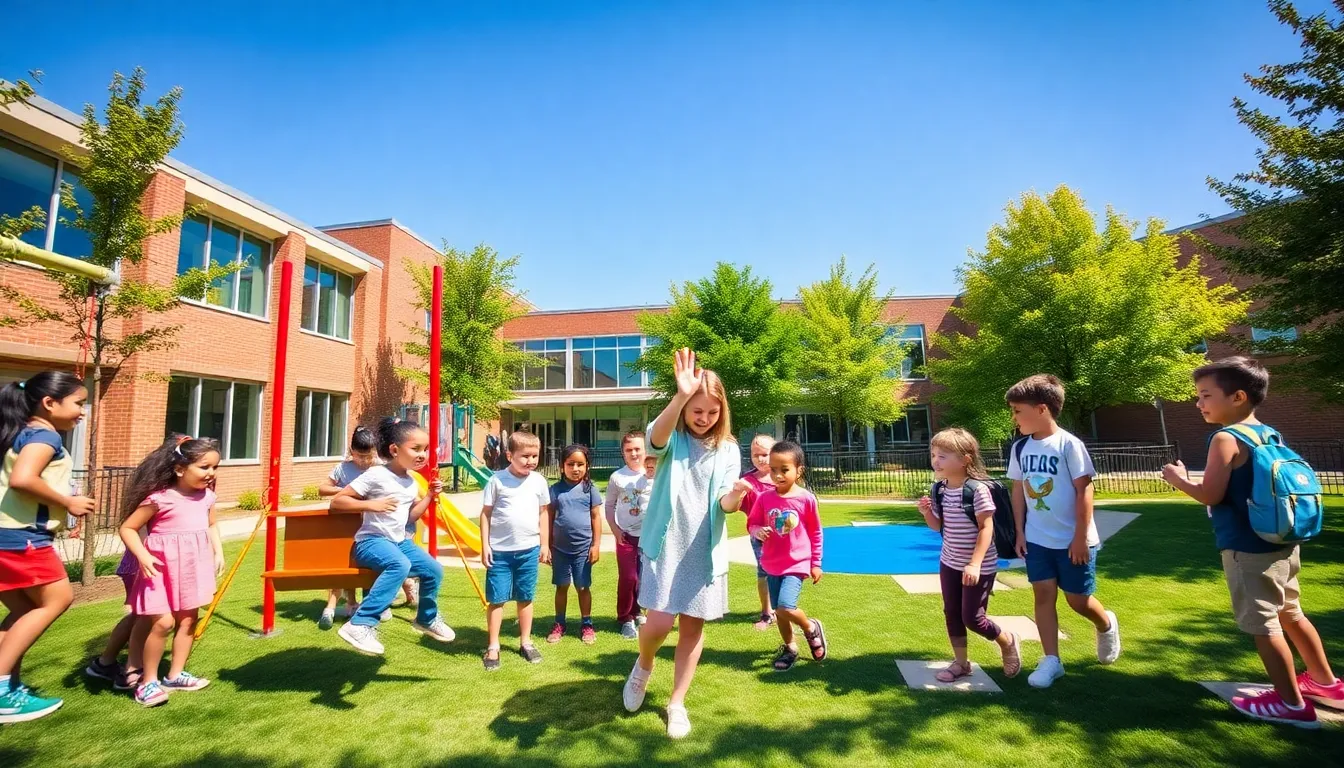
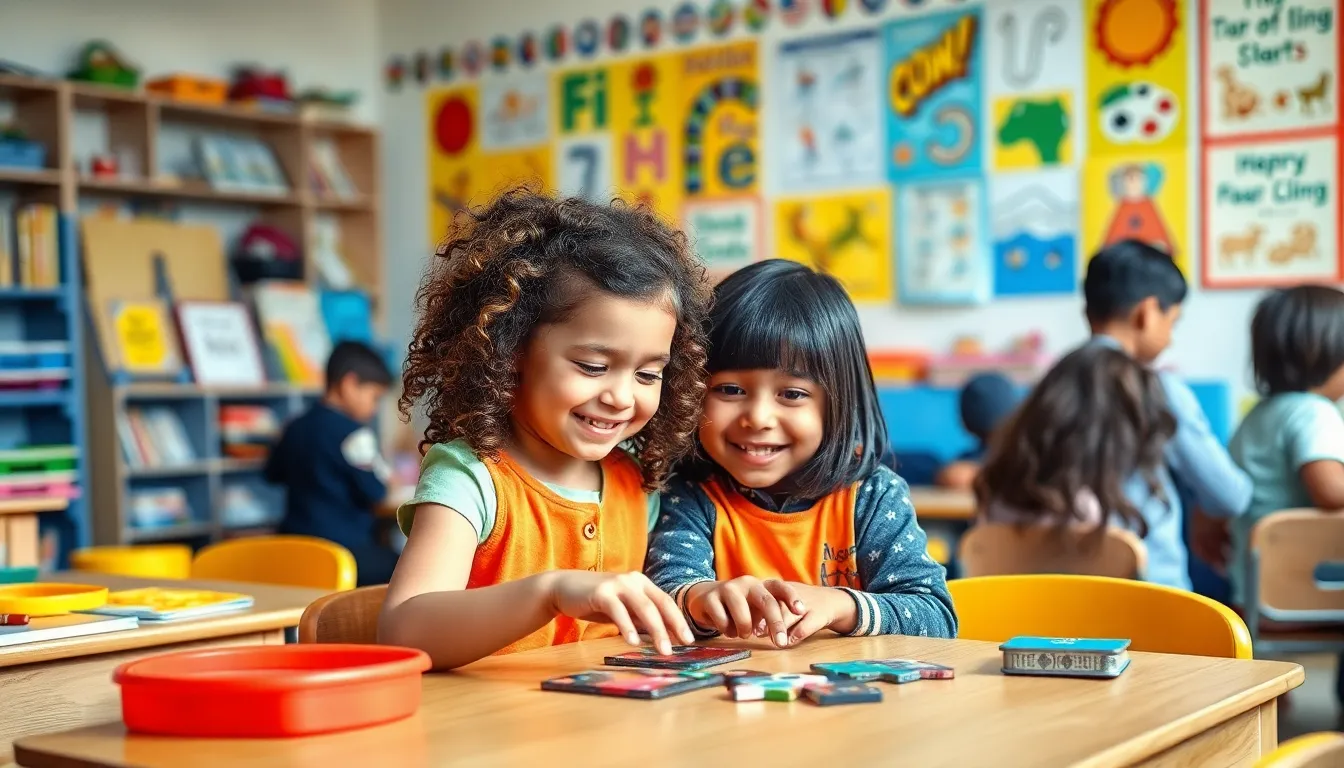
As the big day approaches when tiny feet will march into pre-kindergarten, parents might find themselves in a whirlwind of excitement and a sprinkle of panic. Is little Timmy ready to tackle the alphabet or will he prefer to tackle the snack table instead? Pre-kindergarten readiness isn’t just about knowing colors and shapes; it’s about building confidence and social skills that set the stage for a lifetime of learning.
Understanding Pre-Kindergarten Readiness
Pre-kindergarten readiness encompasses various factors. Parents should recognize that readiness extends beyond basic knowledge; it includes emotional and social competence.
Key Developmental Milestones
Cognitive skills demonstrate a child’s ability to learn and solve problems. Language development supports effective communication, allowing children to express their needs. Social skills play a crucial role in navigating interactions with peers and adults. Emotional regulation helps children manage feelings and behaviors in different situations. Each milestone contributes to a child’s overall development, preparing them to thrive in a classroom environment.
Importance of Early Learning
Early learning experiences lay the groundwork for future academic success. Engaging in structured activities enhances a child’s curiosity and motivation to explore. Social interactions during learning foster teamwork and cooperative skills. Literacy and numeracy skills develop in a supportive environment, promoting a strong foundation. Prioritizing these early educational experiences equips children with tools they need for lifelong learning.
Factors Influencing Pre-Kindergarten Readiness
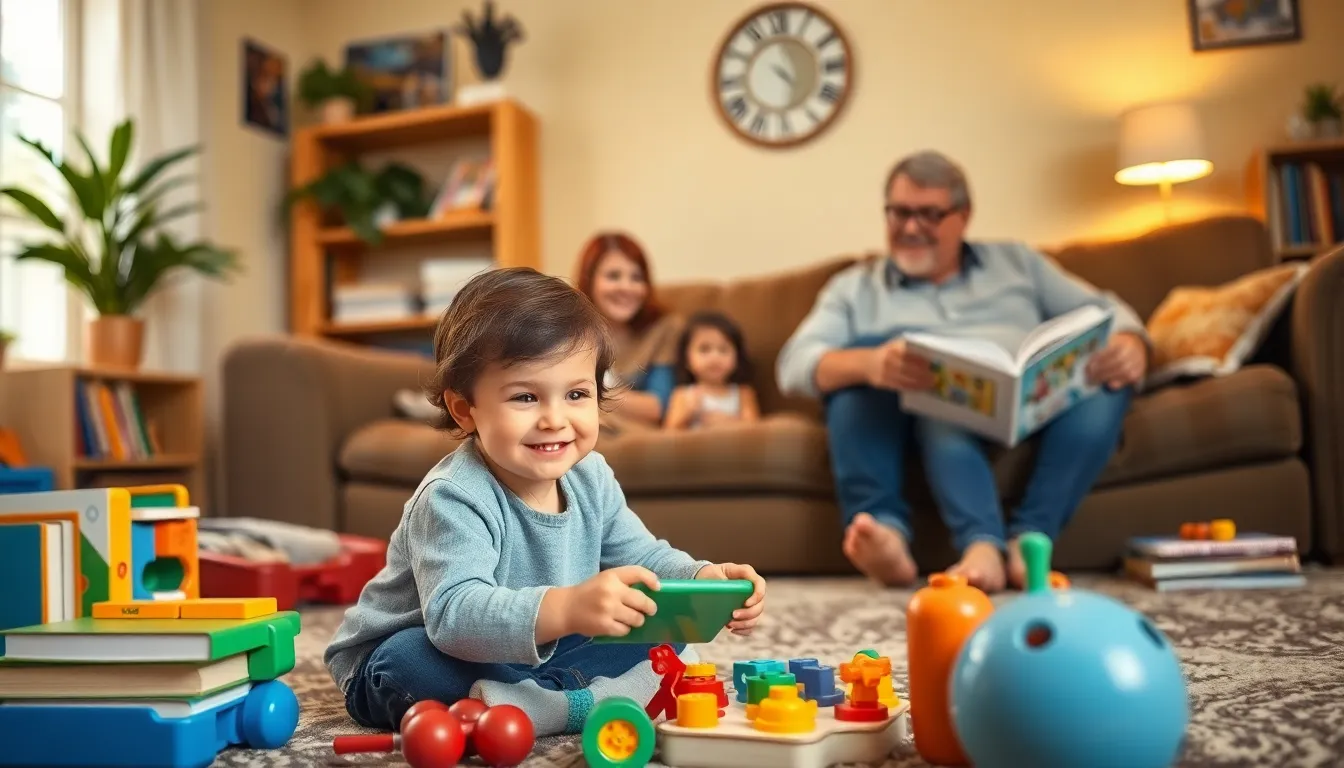
Pre-kindergarten readiness depends on several key factors that shape a child’s ability to thrive. Understanding these elements helps optimize a child’s learning experience.
Family Environment
Family environment plays a critical role in pre-kindergarten readiness. A nurturing and supportive family fosters emotional security, enhancing children’s self-confidence. Frequent engagement, like reading together or playing educational games, promotes cognitive skills. Communication within the family develops language capabilities and social skills, crucial for classroom interactions. Routines also contribute, as consistency helps children acclimate to structured settings. Positive relationships in a family encourage children to explore and learn, laying a solid foundation for their academic journey.
Socioeconomic Status
Socioeconomic status significantly impacts pre-kindergarten readiness. Children from higher socioeconomic backgrounds often have access to enriched learning environments, including books and educational toys. These resources stimulate cognitive and social development, which are essential for classroom success. Exposure to culturally diverse experiences helps children adapt and relate to various social situations. In contrast, lower socioeconomic conditions may limit access to such resources, affecting developmental milestones. Support systems, like community programs, can bridge this gap by providing additional learning opportunities and resources, ensuring all children can start their educational journey on strong footing.
Assessing Pre-Kindergarten Readiness
Assessing pre-kindergarten readiness involves various methods that evaluate a child’s developmental skills and abilities. Understanding a child’s strengths and areas for improvement sets the stage for effective learning experiences.
Screening Tools and Assessments
Screening tools provide a structured approach to assess readiness. Commonly used assessments include the Ages and Stages Questionnaire and the Denver Developmental Screening Test. These instruments measure cognitive, language, social, and emotional development. Results from these assessments guide educators and parents in identifying children who may benefit from additional support or early intervention. Some tools focus on specific skill areas, allowing for targeted strategies that promote overall readiness.
Observational Methods
Observational methods offer another layer of insight into a child’s readiness. Educators and caregivers observe children’s daily activities and interactions in various settings. Key observations include communication skills, problem-solving abilities, and social interactions. Noticing how a child interacts with peers and engages in play reveals critical social-emotional competencies. Documenting these observations creates a clearer picture of readiness, helping adults tailor learning experiences to foster growth and development.
Strategies to Enhance Pre-Kindergarten Readiness
Parents can take several steps to prepare their children for pre-kindergarten. Engaging in purposeful activities can significantly bolster a child’s readiness.
Engaging Learning Activities
Interactive learning experiences work best for pre-kindergarten readiness. Storytelling sessions encourage children to develop language skills and imagination. Simple counting games help strengthen numerical understanding. Creative arts and crafts promote fine motor skills and self-expression. Outdoor play fosters physical health and social interaction. Parents can also incorporate songs and rhymes, enhancing auditory processing and memory.
Educational Resources for Parents
Numerous educational resources support pre-kindergarten readiness. Books focused on early literacy can introduce important concepts in an engaging manner. Parenting workshops offer insights into child development stages. Online platforms provide access to educational games designed for young learners. Community centers often host events where children can practice social skills. Additionally, local libraries frequently offer storytime sessions that enhance listening and comprehension abilities.
Pre-kindergarten readiness is a multifaceted journey that sets the stage for a child’s future learning experiences. By focusing on emotional and social development alongside cognitive skills, parents can nurture their child’s confidence and curiosity. Engaging in purposeful activities and leveraging community resources can significantly enhance a child’s preparedness.
Understanding the unique factors that influence readiness is essential for parents and educators alike. With the right support and encouragement, every child can embark on their educational journey with the skills needed to thrive in a classroom environment. Investing time and effort into these foundational years can lead to lasting benefits in a child’s academic and social development.