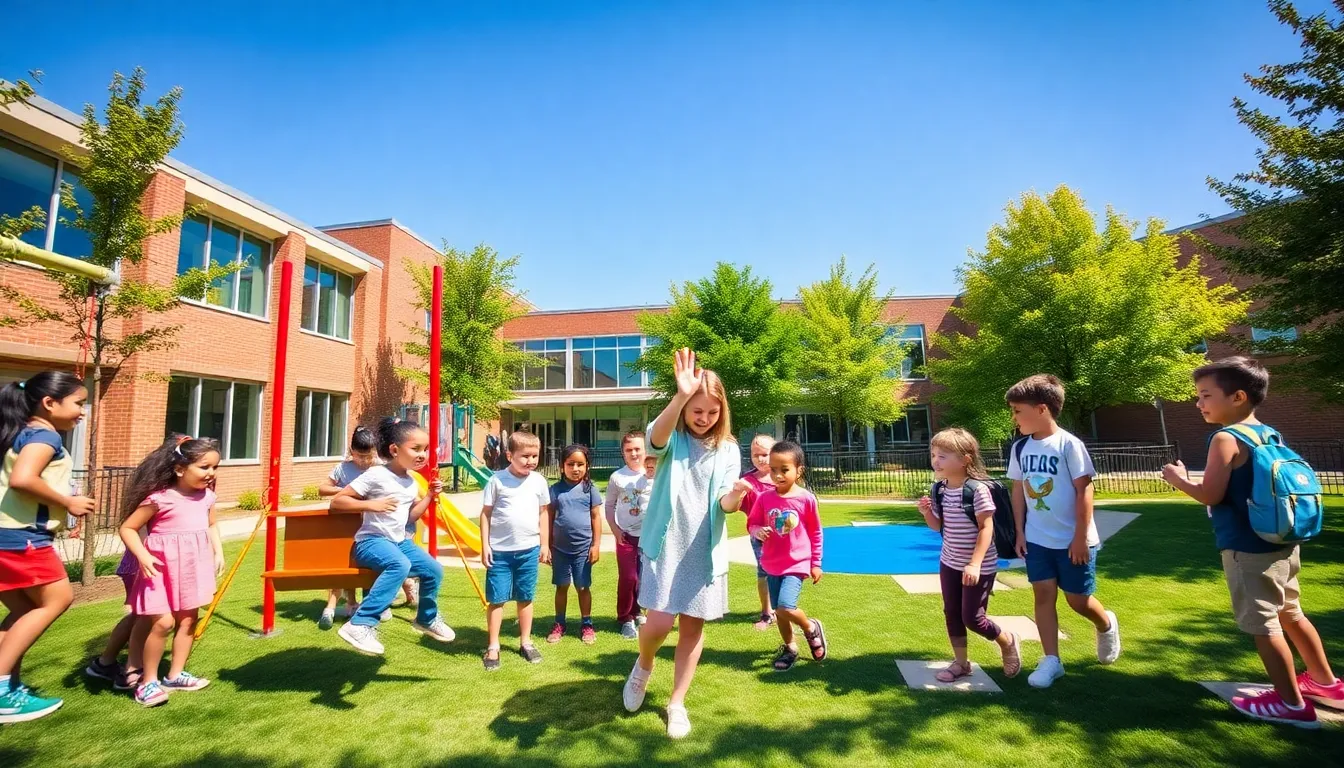

After school programs are like the secret sauce that can take a child’s day from ordinary to extraordinary. Imagine a world where kids swap their backpacks for art supplies, sports gear, or even coding lessons, all while parents breathe a sigh of relief knowing their little ones are engaged and safe. These programs aren’t just about keeping kids busy; they’re about building skills, friendships, and memories that last a lifetime.
Overview of After School Programs
After school programs play a crucial role in children’s development. These programs offer structured activities that extend learning beyond traditional classroom hours. Many options include arts, sports, and technology, catering to a range of interests.
Children engage in creative projects, enhancing their artistic skills while encouraging self-expression. Sports activities not only promote physical health but also teach teamwork and discipline. Many programs also introduce coding and robotics, equipping kids with essential skills for the digital age.
Parents gain peace of mind knowing their children are in a safe environment. Supervision is a priority during after school hours, allowing caregivers to focus on work or personal obligations. Social interactions within these programs help children form friendships that can last a lifetime.
Research shows that involvement in after school activities correlates with improved academic performance. Children participating in structured programs often demonstrate better time management and study skills. Furthermore, these activities can reduce behavioral issues by providing positive outlets for energy and creativity.
Communities benefit as well, with after school programs fostering a sense of belonging. Local organizations often partner to create more enriching experiences for students. As these programs grow, they adapt to the evolving needs of families, ensuring holistic support for children’s growth.
Benefits of After School Programs
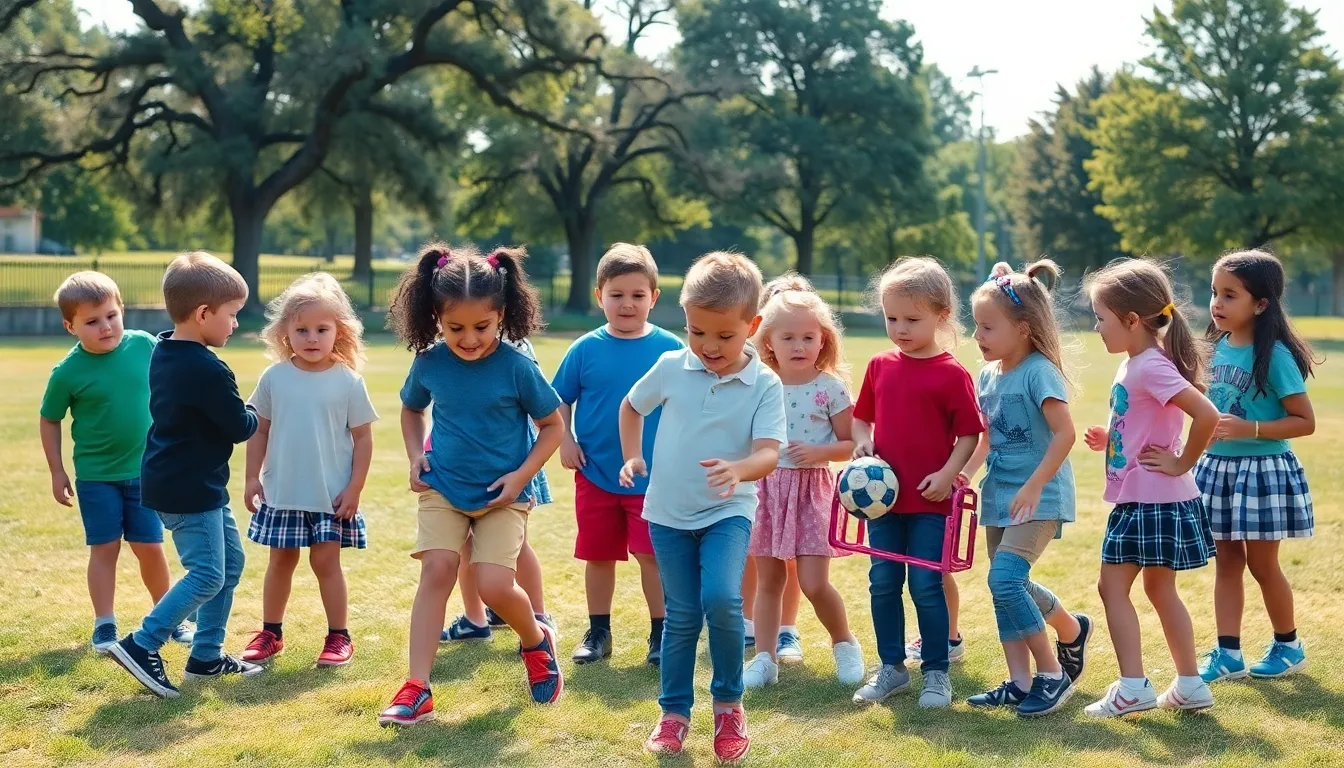
After school programs play a vital role in enhancing children’s overall development. These programs offer a variety of advantages that benefit children in multiple ways.
Academic Support
Academic support serves as one of the most significant benefits of after school programs. Students receive additional help with their homework and challenging subjects, allowing them to reinforce concepts learned during the school day. Tutors and mentors often guide them, providing personalized attention that may not be available in a crowded classroom. Improved understanding in subjects such as math and reading can lead to higher grades and increased confidence. Parents notice the difference as children exhibit greater enthusiasm toward schoolwork. Some studies show that students involved in after school programs achieve better academic performance compared to their peers.
Social Skills Development
Social skills development is another key benefit of after school programs. Children engage in group activities, fostering teamwork and communication skills. They learn to work collaboratively, respect differing opinions, and resolve conflicts. Through these interactions, friendships blossom, helping reduce feelings of isolation. Participation leads to increased self-esteem as children navigate social situations. These vital skills not only assist in building relationships but also prepare children for future social environments. Engaging with peers in a safe setting provides a strong foundation for emotional intelligence.
Physical Activity
Physical activity promotes health and wellness among children involved in after school programs. These programs often incorporate sports and recreational activities, encouraging kids to stay active. Engaging in physical exercises leads to improved fitness levels, greater stamina, and enhanced motor skills. Socializing during sports teaches discipline and cooperation. Increased activity levels also support better mental health, as exercise releases endorphins that elevate mood. Many studies correlate regular participation in such activities with lower rates of obesity and other health-related issues in children.
Types of After School Programs
After school programs offer various options tailored to children’s interests and developmental needs. Each type focuses on specific areas while promoting a well-rounded experience.
Academic Enrichment Programs
Academic enrichment programs aim to bolster learning beyond the standard curriculum. These programs provide tutoring in subjects like math and reading, allowing students to reinforce knowledge and improve grades. Workshops and science clubs ignite curiosity, making learning engaging and enjoyable. Participation in such programs often leads to better time management skills and enhanced critical thinking. Additionally, individual attention from instructors fosters a supportive environment that encourages questions and explorations.
Arts and Culture Programs
Arts and culture programs encourage creativity and self-expression among children. Students can explore visual arts, music, or drama, allowing personal interests to flourish in a collaborative setting. Many programs include classes led by experienced artists, providing mentorship and guidance. Experiencing diverse cultures and artistic expressions helps build empathy, appreciation, and understanding. Children often create strong friendships as they work together on projects, leading to enduring social connections.
Sports and Recreation Programs
Sports and recreation programs promote physical activity while teaching valuable life skills. Kids engage in various sports, including basketball, soccer, and swimming, helping improve fitness levels and teamwork. Coaches instill discipline and dedication through practice and competition. These programs also teach the importance of fair play, resilience, and goal-setting. Social interactions contribute to building confidence and camaraderie, positively impacting overall well-being.
Challenges Facing After School Programs
After school programs encounter several challenges that impact their effectiveness and reach. These challenges include funding issues and accessibility concerns, which organizations must address to ensure continued support and participation.
Funding Issues
Funding issues pose a significant challenge to after school programs. Limited financial resources often lead to program cuts or reduced operational hours. Many programs depend on grants, donations, and local government assistance. Changes in economic conditions can create uncertainty, jeopardizing the stability of these resources. Programs that struggle to secure adequate funding may find it difficult to provide high-quality enrichment activities. They might also face challenges in hiring qualified staff, which can affect the overall experience for children.
Accessibility Concerns
Accessibility concerns hinder many after school programs from reaching underserved communities. Transportation barriers often prevent children from attending, especially those living in remote or low-income areas. Various activities might not cater to children with disabilities, limiting participation. Additionally, families with nontraditional work hours may not find programs with suitable scheduling options. Addressing these accessibility issues requires collaboration with local transportation services and careful planning to ensure inclusivity across diverse demographics.
After school programs play a vital role in shaping children’s futures. They offer a safe environment where kids can thrive academically, socially, and physically. These programs not only enhance learning but also foster essential life skills that contribute to overall development.
While challenges such as funding and accessibility remain, the continued evolution of after school programs promises to meet the diverse needs of families. By prioritizing collaboration and inclusivity, communities can ensure that every child has the opportunity to benefit from these enriching experiences. Investing in after school programs is investing in a brighter future for children and the communities they belong to.