

Pregnancy brings a whirlwind of cravings and dietary questions, often leaving expectant moms wondering what’s safe and what’s not. With seafood being a popular choice for its omega-3 goodness, the big question arises: can you indulge in crab while pregnant?
Understanding Crab Consumption During Pregnancy
Crab can be a nutritious part of a balanced diet for pregnant women. Rich in protein, omega-3 fatty acids, and essential vitamins, crab contributes to the development of the fetus. Pregnant women must, however, consider certain safety aspects when consuming crab.
Avoid raw or undercooked crab. Cooking crab thoroughly eliminates harmful bacteria and parasites. Pregnant women should aim to eat fully cooked crab dishes, such as crab cakes or crab soups, to reduce any health risks.
Opt for crab varieties with lower mercury levels. Crab generally contains less mercury than larger fish, making it a safer choice. Choices like blue crab or Dungeness crab are preferable, while limiting intake of high-mercury seafood, such as shark or swordfish, is important.
Limit crab consumption to moderate portions. Eating crab in moderation, about 8 to 12 ounces per week, ensures that pregnant women benefit from its nutrients without excessive intake. This practice maintains a balanced diet while addressing potential concerns surrounding seafood consumption during pregnancy.
Stay informed about local seafood advisories. Depending on the specific region, some crab sources may contain contaminants. Consulting local guidelines ensures safe seafood choices.
Focus on overall diet quality. Incorporating a variety of seafood, alongside fruits, vegetables, and whole grains, supports both maternal health and fetal development. Maintaining this balance leads to beneficial outcomes for both mother and child.
Nutritional Benefits of Crab
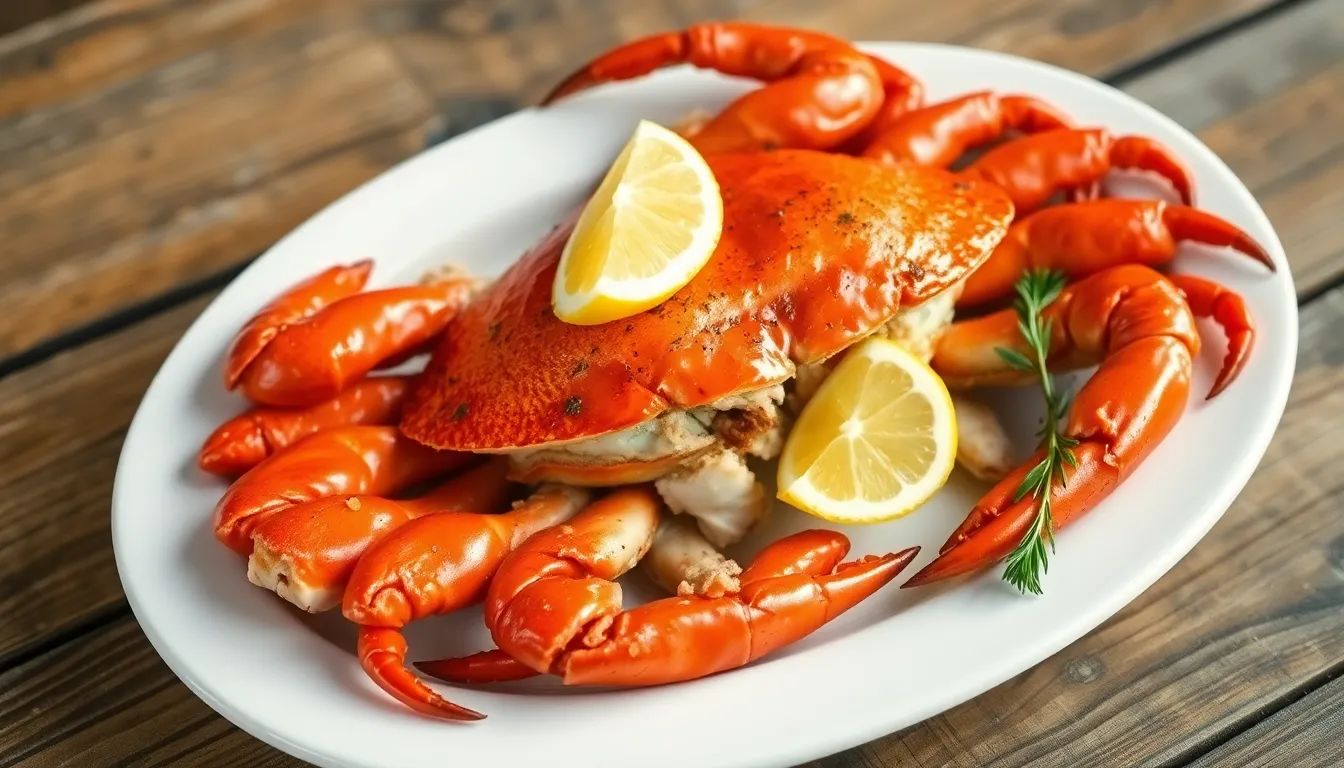
Crab provides essential nutrients beneficial for pregnant women. It contains high protein levels, omega-3 fatty acids, and various vitamins.
Protein Source
Protein supports tissue growth and development during pregnancy. It offers about 20 grams of protein per 3-ounce serving, making crab an excellent choice. Expecting mothers can rely on this protein source to enhance muscle, organ, and fetal development. Choosing crab helps meet daily protein needs while providing a lean option compared to other meats. Regular consumption ensures adequate intake, which is vital for overall health.
Essential Nutrients
Crab features a wealth of essential nutrients beyond protein. It includes vitamins such as B12, crucial for red blood cell formation and neurological function. Iron, present in crab, plays a key role in oxygen transport and helps prevent anemia during pregnancy. Zinc offers immune support, aiding in fetal growth and development. Omega-3 fatty acids contribute to brain and eye development in fetuses. Integrating crab into a balanced diet gives expectant mothers access to these important nutrients, ultimately supporting both their health and the baby’s development.
Risks Associated With Eating Crab While Pregnant
Expectant mothers must be aware of certain risks when consuming crab. These include concerns regarding mercury levels and potential allergies.
Mercury Levels
Mercury accumulates in certain seafood, including some crab varieties. Pregnant women should avoid high-mercury species, as mercury exposure can harm fetal development. Blue crab and Dungeness crab are lower in mercury and considered safer options. Consuming crab in moderation is advisable, with recommendations suggesting no more than 8 to 12 ounces per week. Monitoring local seafood advisories provides additional guidance on safe consumption practices.
Allergies and Sensitivities
Some individuals may experience shellfish allergies, which can lead to severe reactions. Pregnant women with a history of shellfish allergies must exercise caution. Symptoms of such allergies may include hives, swelling, or difficulty breathing. Consulting with a healthcare provider before consuming crab ensures safety for both mother and baby. Even without prior allergies, introducing crab gradually may help assess tolerance.
Guidelines for Safe Crab Consumption
Crab can be enjoyed during pregnancy with careful consideration. Following guidelines ensures benefits without unnecessary risks.
Types of Crab to Consider
Opt for crab varieties with lower mercury levels. Blue crab and Dungeness crab are excellent choices, as they typically contain less mercury. Avoid types known for high mercury content, like king crab and tile crab. Choosing local seafood can also reduce exposure to contaminants. Selecting sustainably sourced and reputable crab options is essential for both safety and environmental impact.
Preparation Methods
Fully cooking crab eliminates bacteria and parasites. Steaming or boiling crab guarantees a safe internal temperature of at least 145°F. Avoid raw or undercooked crab dishes like sushi or ceviche. Using pre-cooked crab meat is another option, ensuring it’s heated properly before consumption. Add flavorful ingredients like garlic, lemon, or herbs to enhance taste while preparing meals. Eating crab in moderation, about 8 to 12 ounces weekly, helps maintain a balanced diet during pregnancy.
Crab can be a healthy addition to a pregnant woman’s diet when consumed safely. Its rich protein and omega-3 content support fetal development while providing essential nutrients. However, it’s crucial to prioritize safety by avoiding raw crab and opting for fully cooked varieties with lower mercury levels.
Moderation is key, with recommendations to limit intake to 8 to 12 ounces per week. Pregnant women should stay informed about local seafood advisories and consult healthcare providers regarding any dietary concerns. By making informed choices, expectant mothers can enjoy the benefits of crab while ensuring the health and safety of both themselves and their babies.