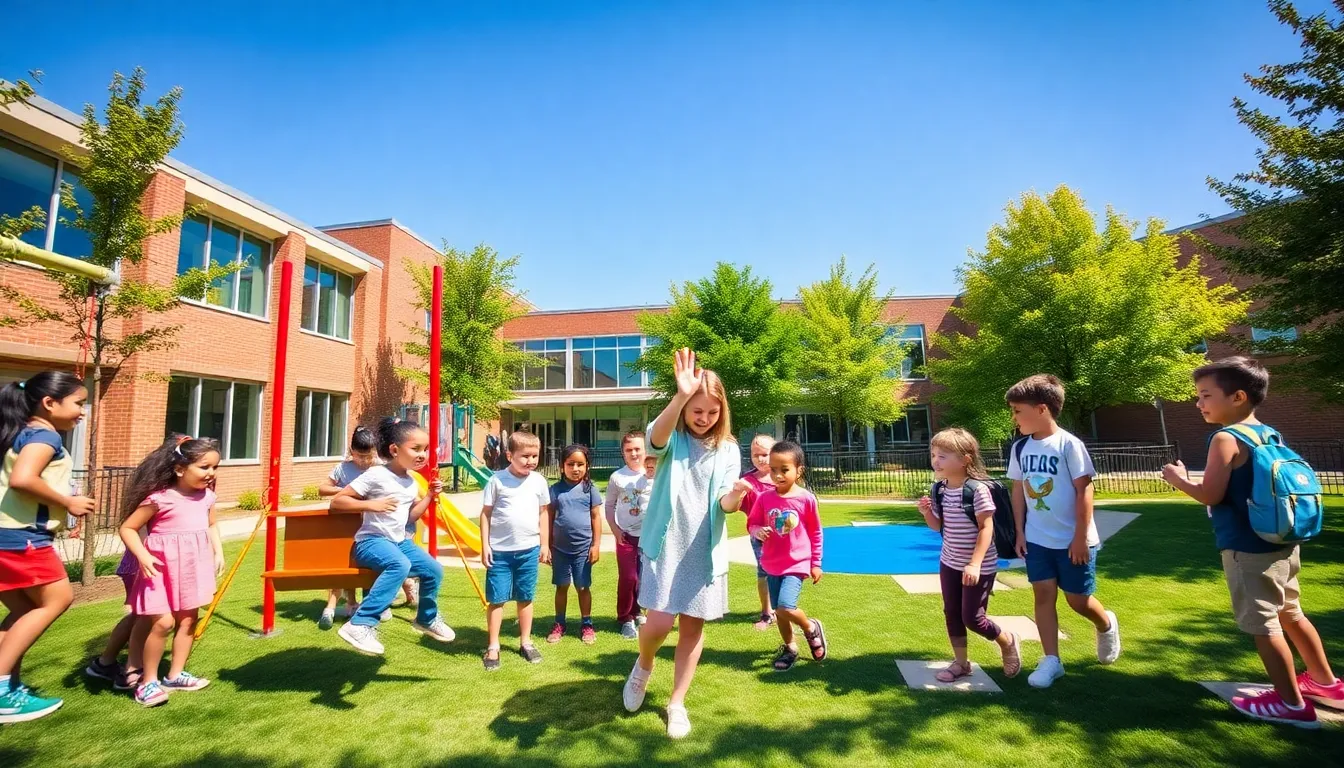

Elementary music programs aren’t just about learning to sing “Twinkle Twinkle Little Star.” They’re the secret sauce to a well-rounded education, transforming classrooms into vibrant concert halls where creativity flourishes. Imagine kids strumming guitars, banging on drums, and harmonizing like mini rock stars. It’s not just fun and games; these programs lay the foundation for cognitive development, social skills, and a lifelong love for music.
Overview Of Elementary Music Programs
Elementary music programs offer students a foundational understanding of music theory and practice. These programs serve as a platform to explore various musical genres and styles, allowing children to experience the richness of music. Engaging activities, such as learning to play instruments and participating in vocal exercises, enhance students’ musical abilities.
Participation in these programs builds essential skills, including teamwork and discipline. Children often collaborate in ensembles, which fosters social interaction and helps to develop their communication skills. These experiences create a sense of community and belonging, making music a shared form of expression.
Furthermore, research indicates that children involved in music programs often show improved academic performance. Cognitive skills, such as memory and problem-solving, are strengthened through musical activities. Exposure to music also encourages creativity, allowing students to express themselves in various artistic forms.
In many schools, curriculum standards guide the implementation of music programs, ensuring quality instruction. These standards typically cover performance, listening, and music appreciation, providing a comprehensive approach to music education. As a result, students gain a well-rounded education that includes not just music but also a broader cultural appreciation.
Overall, elementary music programs play a crucial role in child development. They nurture a lifelong appreciation for music while enhancing various academic and social skills.
Importance Of Music Education
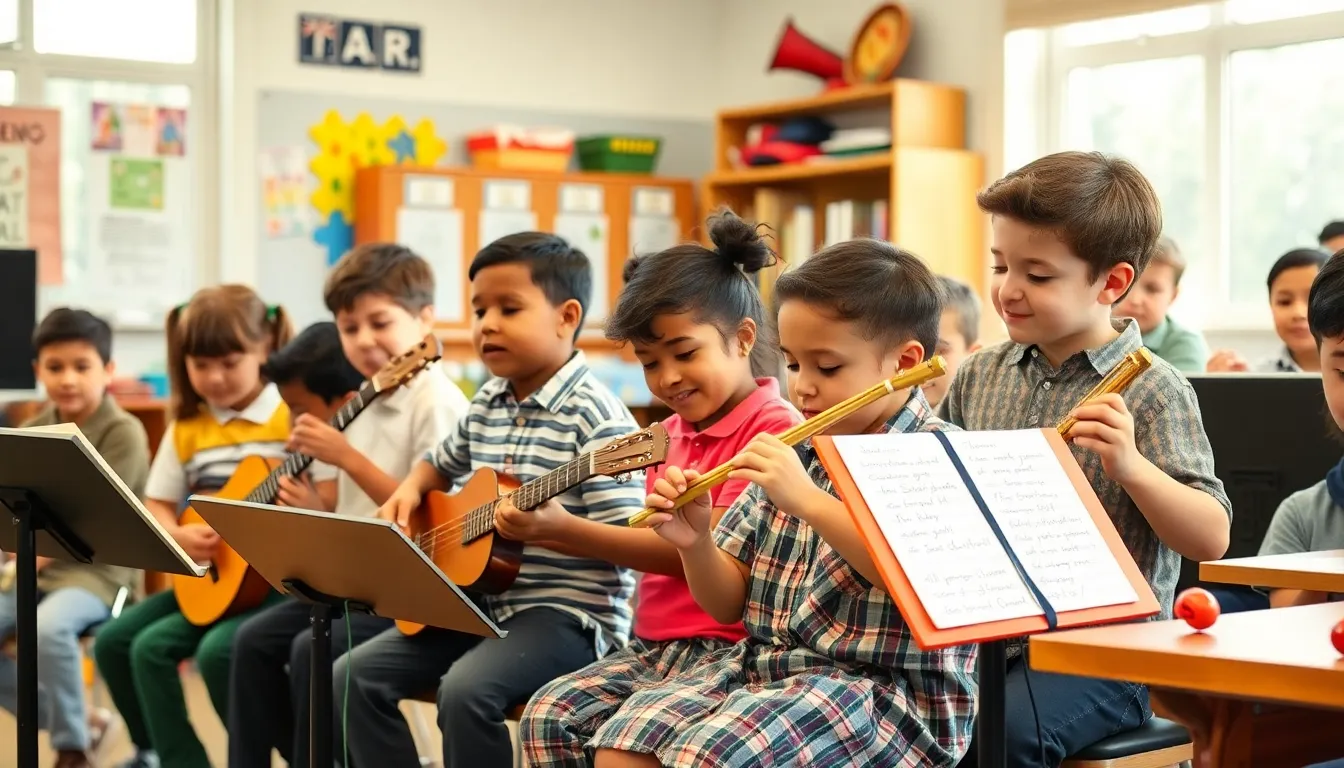
Elementary music programs play an essential role in the holistic development of children. Engaging in music enriches students’ lives while providing valuable skills.
Cognitive Development
Music education enhances cognitive skills significantly. Engaging with musical activities sharpens memory and improves problem-solving abilities. Research indicates students who participate in music programs often achieve higher academic performance. Learning to read music fosters critical thinking and spatial-temporal skills, crucial for subjects like math. Music’s structure encourages discipline and focus, reinforcing attention spans during lessons. Activities such as playing instruments improve motor skills and coordination as well, contributing to overall cognitive growth.
Social Skills Enhancement
Music education promotes social interactions among peers. Students collaborate in ensemble settings, developing teamwork abilities crucial for future endeavors. Participating in group performances fosters a sense of belonging and community, enhancing social connections. Working together to create music encourages communication skills and strengthens relationships. Involving kids in music programs cultivates empathy and respect for different artistic expressions. These interactions not only enrich their social lives but also lay the foundation for better interpersonal skills throughout life.
Elements Of Effective Elementary Music Programs
Effective elementary music programs encompass several key elements that foster comprehensive student development. These programs rely on well-structured curriculum and innovative teaching methods to achieve their goals.
Curriculum Design
Curriculum design is crucial for effective music education. It should incorporate diverse musical styles and genres, allowing students to explore various cultural contexts. Age-appropriate content that aligns with curriculum standards ensures that lessons remain engaging and relevant. Additionally, integrating performance, listening, and music appreciation creates a well-rounded learning experience. Emphasizing skills like reading music and understanding rhythm contributes to cognitive development. Activities that encourage creativity, such as songwriting or improvisation, enhance musical literacy and self-expression among students. Overall, a thoughtfully designed curriculum sets the foundation for a successful music program.
Teaching Methods
Teaching methods play a pivotal role in the success of elementary music programs. Active learning strategies engage students through hands-on experiences, such as playing instruments or participating in group singing. Collaborative learning fosters teamwork and communication skills, essential for future interactions. Teachers should also incorporate technology, using digital tools to enhance lesson delivery and accessibility. Differentiated instruction addresses diverse learning styles, ensuring all students remain involved and motivated. Regular assessments provide feedback, allowing for adjustments in teaching practices to meet students’ needs. Innovative methods create a dynamic atmosphere where students can thrive in their musical journeys.
Challenges Facing Elementary Music Programs
Elementary music programs encounter various challenges that hinder their effectiveness and reach. Overcoming these hurdles is essential to fully harnessing the benefits music education provides for children.
Funding Issues
Funding issues significantly impact the availability and quality of elementary music programs. Numerous schools face budget constraints that prioritize core academic subjects over arts education. Limited financial resources often lead to inadequate materials, instruments, and qualified instructors, which lowers program effectiveness. Research shows that schools with robust funding for music programs report higher levels of student engagement and achievement. Increased advocacy for arts funding can foster these programs, ensuring that all students have access to quality music education.
Engagement With Students
Engagement with students poses a continual challenge in music education. Interest fluctuates, and some children may not connect with traditional music genres or classroom activities. Innovative approaches are necessary to captivate diverse learning styles and preferences. Incorporating technology, popular music, and interactive activities increases participation and enthusiasm. Programs that involve students in curriculum design often see a rise in motivation and creativity. Addressing these engagement issues enables elementary music programs to maintain relevance and excitement in students’ educational experiences.
Best Practices For Implementing Music Programs
Effective implementation of elementary music programs relies on community involvement and educator professional development. Engaging the local community can enhance resources, support, and participation in music education initiatives.
Community Involvement
Community involvement fosters stronger music programs by building partnerships with local organizations and musicians. Schools can organize events, such as concerts and workshops, that encourage families and community members to attend. Many successful programs collaborate with music stores, securing instrument donations or discounts for students. Additionally, schools might invite local artists to host masterclasses, enriching students’ exposure to diverse music styles. Engagement with the community creates a supportive network, ensuring that music programs receive the necessary resources and enthusiasm for growth.
Professional Development For Educators
Professional development for educators enables continuous improvement in music instruction techniques. Workshops and training sessions introduce innovative teaching methods and resources tailored for elementary music education. Collaborating with experienced music teachers often leads to shared best practices, enhancing the overall quality of instruction. Schools can allocate time for peer observations, allowing educators to learn from one another’s approaches. Investing in professional development ultimately leads to a more effective and engaging musical experience for students, ensuring they receive quality education in the arts.
Elementary music programs are vital for nurturing well-rounded individuals. They not only enhance cognitive abilities and academic performance but also foster social skills and creativity. By engaging students in diverse musical activities, these programs create an enriching environment that promotes collaboration and community.
Despite challenges like funding and student engagement, innovative teaching methods and community involvement can significantly improve the effectiveness of music education. Investing in these programs ensures that children not only develop a love for music but also acquire essential life skills that will benefit them in their future endeavors. The lasting impact of music education on young minds is undeniable, making it an essential component of their overall development.