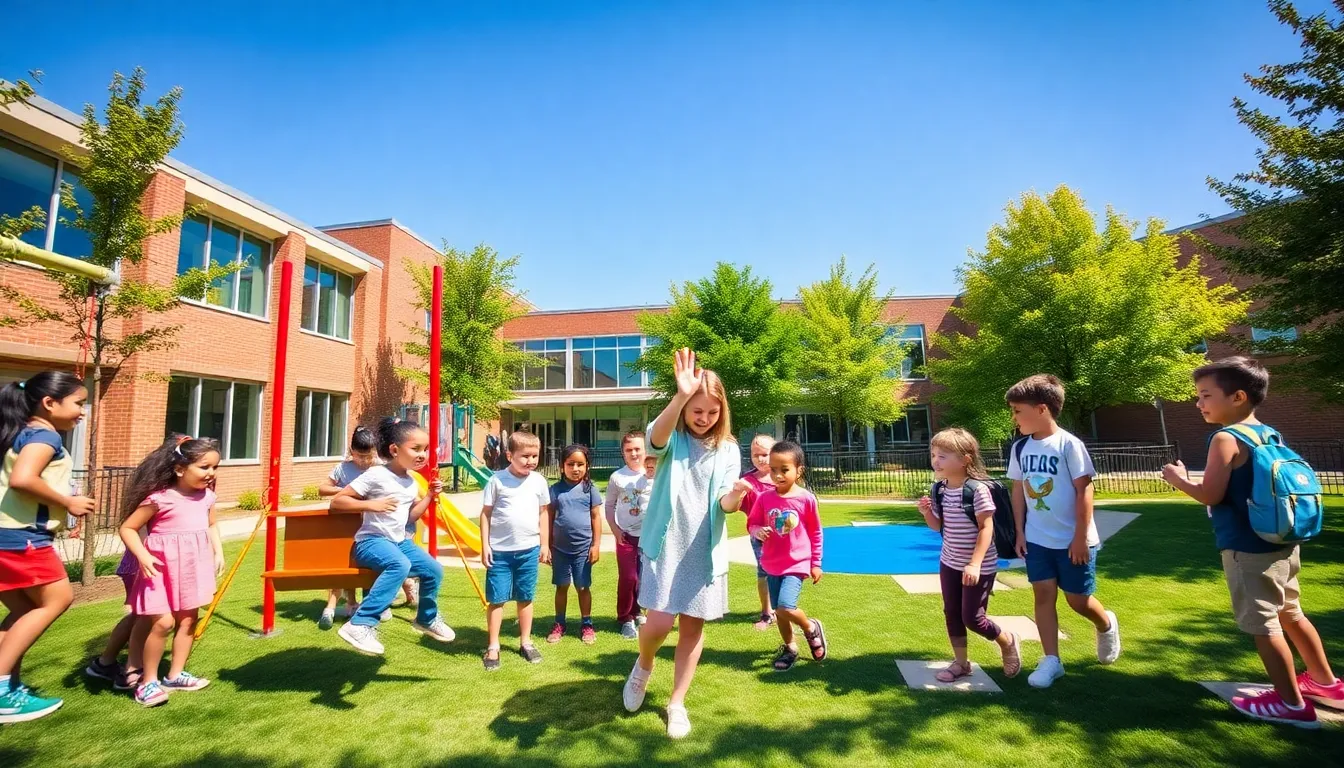

Elementary school is where the magic happens—where kids learn, play, and discover the world around them. It’s a vibrant playground filled with laughter, curiosity, and a dash of chaos that only little ones can conjure. From science experiments that go hilariously wrong to art projects that redefine the word “abstract,” these activities aren’t just fun; they’re essential for building skills and friendships.
Importance Of Elementary School Activities
Elementary school activities play a vital role in fostering children’s growth and development. Engaging in diverse experiences enriches their learning environment.
Benefits For Child Development
Activities in elementary schools enhance cognitive skills, motor skills, and creativity. Participating in science experiments stimulates curiosity. Engaging in art projects encourages self-expression. Physical activities improve coordination and overall health. Additionally, structured activities help children learn time management and develop a routine. Such experiences shape well-rounded individuals prepared for future challenges.
Role In Social Skills Acquisition
Social skills flourish through collaborative activities. Working together on team projects builds communication and negotiation skills. Games teach children about fairness and taking turns. Friendships formed during activities promote empathy and understanding. Furthermore, classrooms offer a safe space for children to practice conflict resolution. Such interactions are crucial in developing respect and patience in relationships.
Types Of Elementary School Activities
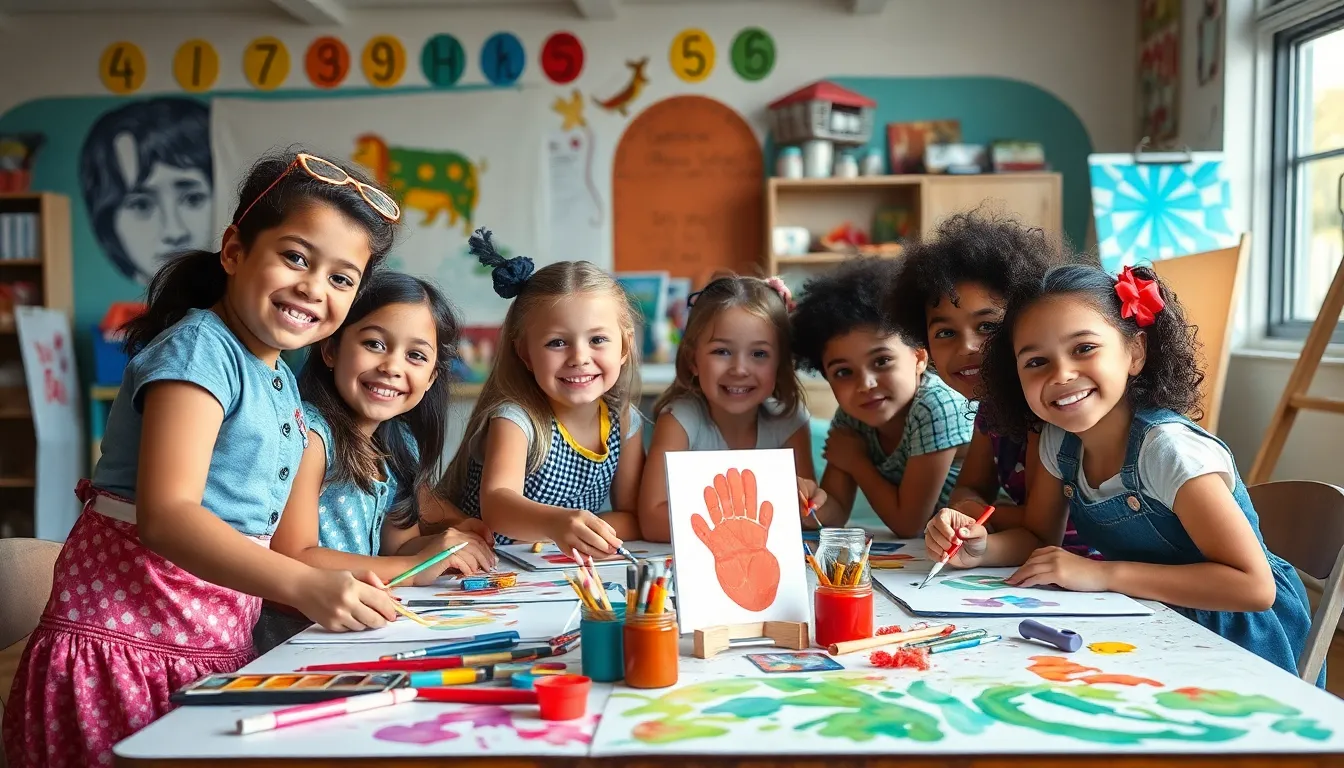
Elementary school activities encompass a variety of engaging experiences that enhance learning and development.
Academic Activities
Academic activities include reading, writing, and mathematics, which are crucial for foundational learning. Teachers often use interactive methods, such as group discussions and hands-on projects, to foster understanding. For instance, science experiments encourage critical thinking by allowing students to explore concepts in a practical manner. Furthermore, math games make learning enjoyable while reinforcing essential skills. Students frequently participate in spelling bees and math competitions, promoting a sense of achievement and encouraging healthy academic competition.
Artistic and Creative Activities
Artistic and creative activities provide avenues for self-expression and innovation. Students engage in drawing, painting, and crafting to explore their imaginations. Schools may organize art shows, showcasing student works and celebrating creativity. Music programs contribute to this experience, with opportunities for learning instruments and participating in choir. Drama activities often encourage teamwork, allowing children to explore emotions and different perspectives through performance.
Physical Activities
Physical activities play a vital role in developing coordination and teamwork skills. Daily recess allows children to engage in unstructured play, fostering social interactions. Team sports, such as basketball and soccer, teach the importance of collaboration and strategy. Physical education classes help students develop fitness habits while learning about health and wellness. Dance classes provide an alternative way to express oneself while also promoting physical fitness and confidence.
Community Service Activities
Community service activities instill a sense of responsibility and empathy in young learners. Schools organize projects like food drives and park clean-ups, allowing students to contribute positively to their communities. Participating in these activities teaches the value of helping others and fosters awareness of societal issues. Collaboration with local charities can also provide insights on teamwork in action. Engaging in community service cultivates respect and understanding among students, enhancing their social development.
Organizing Successful Elementary School Activities
Organizing effective elementary school activities requires careful planning and collaboration among staff, students, and parents. These efforts ensure that activities align with educational goals while being enjoyable for all.
Planning And Coordination Tips
Schedule activities early in the semester to avoid conflicts and maximize participation. Determine the objectives of each activity, focusing on educational outcomes and engagement levels. Involve teachers in the planning process, as their insights guarantee that activities meet diverse learning needs. Set a budget to manage resources effectively and identify potential sponsors or partnerships for additional support. Assign roles to staff and parents to streamline execution and ensure clear communication throughout the planning process. Frequent check-ins help address challenges promptly and keep everyone on track.
Engaging Students And Parents
Foster student involvement by encouraging them to suggest activity ideas, boosting their investment in the process. Host informational meetings for parents to explain the purpose of each activity, promoting a sense of community. Create opportunities for parents to volunteer or assist during activities, strengthening connections among families. Utilize social media and newsletters to keep parents informed and engaged, sharing their children’s experiences to showcase the benefits of participation. Celebrate the successes of each event, recognizing both students and parents to motivate future involvement and enhance community spirit.
Challenges In Implementing Activities
Implementing elementary school activities presents several challenges schools must navigate to ensure effective learning experiences.
Budget Constraints
Budget constraints significantly impact activity planning. Schools often face limitations in funding, which can restrict the scope of activities available. Teachers may need to prioritize essential supplies, such as art materials or sports equipment, to maximize educational value. Fundraising initiatives become crucial for covering costs, making community support vital. Creative solutions, like seeking local sponsorships or grants, can help alleviate financial pressure. Collaboration with parents and local businesses can also provide necessary resources for enriching activities. Addressing budget concerns effectively allows schools to promote meaningful experiences for all students.
Time Management Issues
Time management issues frequently arise when scheduling activities. Educators often balance curriculum requirements with the need for engaging experiences, making it essential to find a suitable approach. Limited classroom time can hinder the execution of planned activities, necessitating efficient use of available slots. Prioritizing activities aligned with key learning objectives streamlines focus amidst competing demands. Teachers might benefit from flexible scheduling, enabling them to adapt based on student needs. Balancing structured learning with enjoyable activities enhances educational outcomes and maintains student interest. With effective time management, schools can foster a dynamic learning environment for all.
Elementary school activities are essential for nurturing children’s growth and development. They create an environment where learning becomes a joyful experience filled with exploration and creativity. By engaging in various activities, children not only develop critical academic and social skills but also form lasting friendships that enrich their lives.
The successful implementation of these activities relies on careful planning and collaboration among educators, parents, and the community. Addressing challenges like budget constraints and time management is vital to ensure that every student benefits from these enriching experiences. Ultimately, the diverse range of activities prepares young learners to face future challenges with confidence and resilience.