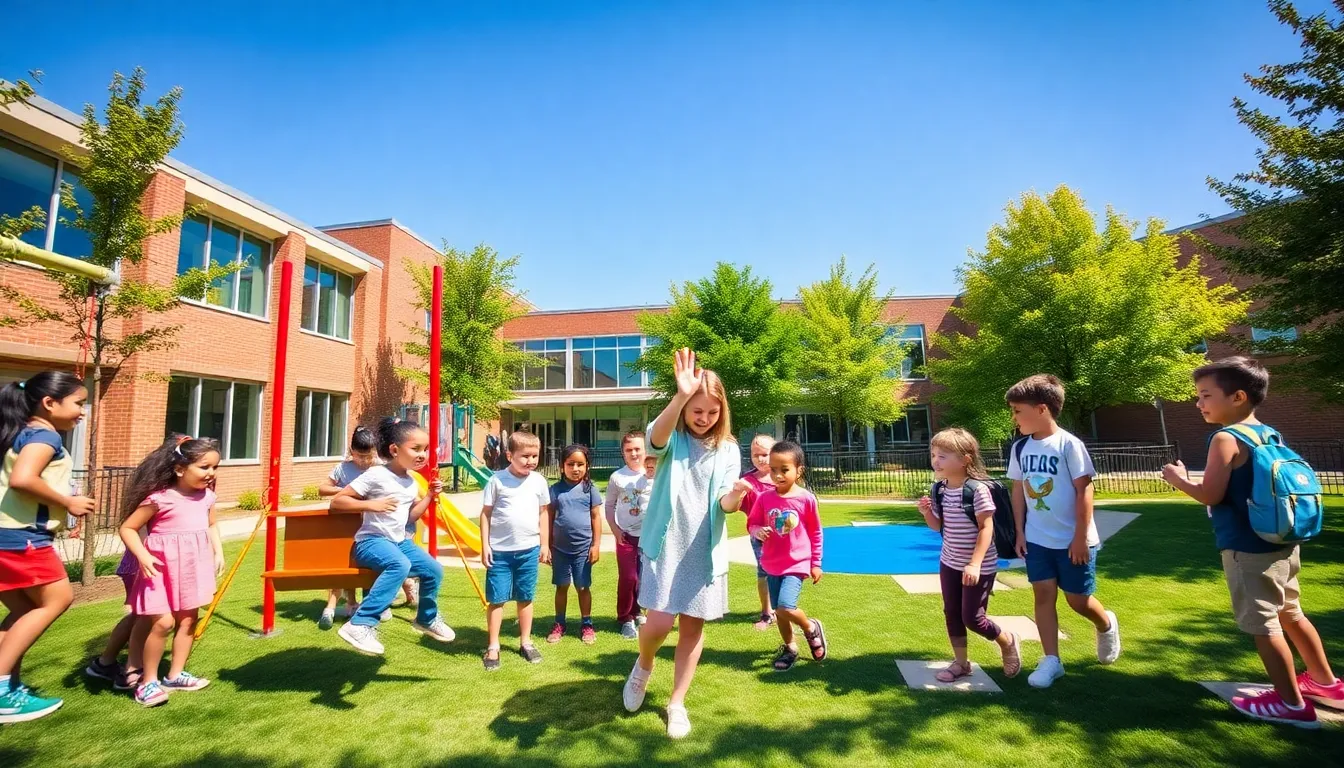
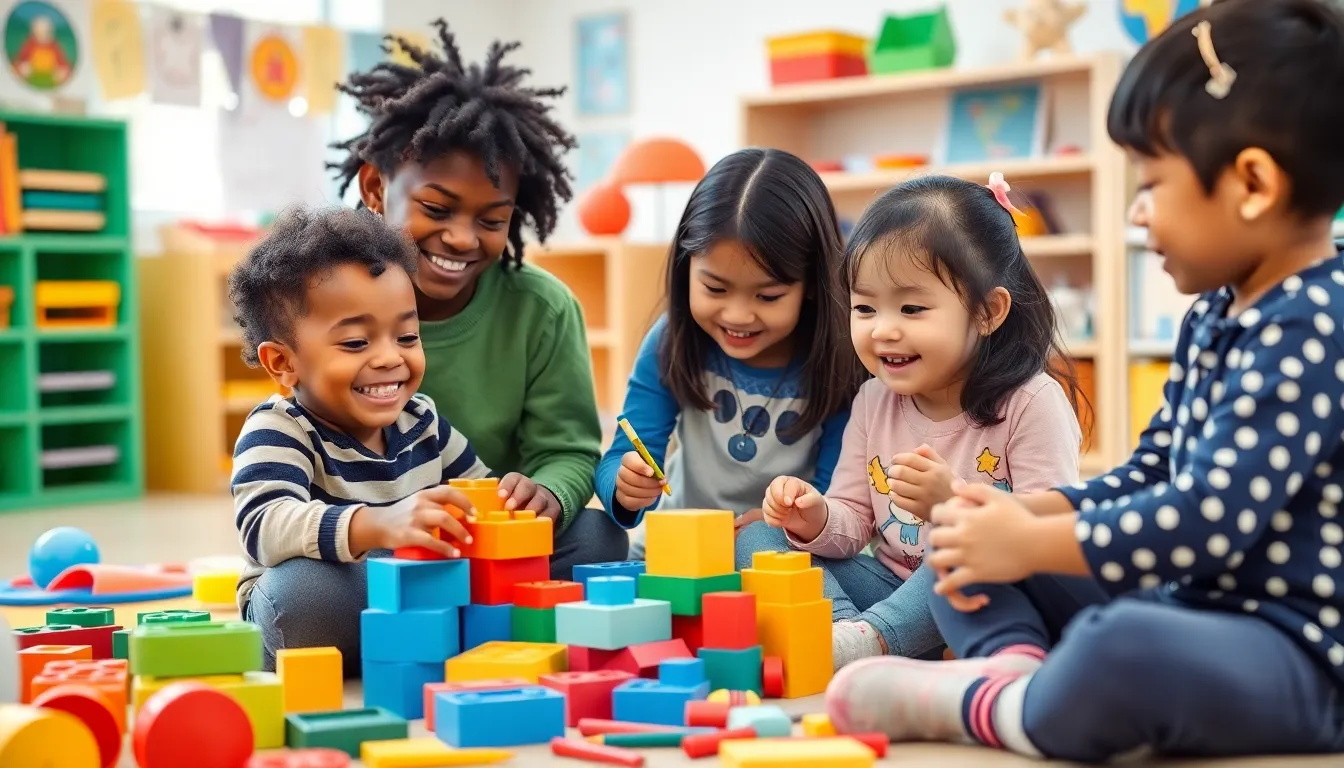
In a world where every child deserves a chance to shine, inclusive preschools are the golden ticket to early education. These vibrant havens aren’t just about crayons and nap time; they’re about creating a rich tapestry of experiences where every kid, regardless of their abilities, can learn and grow together. Imagine a classroom buzzing with laughter, where friendships blossom and differences are celebrated like they’re the sprinkles on a cupcake.
Inclusive preschools break down barriers, proving that diversity isn’t just a buzzword—it’s the secret ingredient to a thriving learning environment. They equip children with the social skills and empathy needed to navigate life’s playground, preparing them for a future where everyone plays nicely in the sandbox. So, let’s dive into why these magical places are the best start for little learners and how they’re shaping a brighter, more inclusive tomorrow.
Overview of Inclusive Preschools
Inclusive preschools create environments where children with and without disabilities can learn side by side. Families benefit from supportive communities that prioritize diversity and understanding.
Definition of Inclusive Preschools
Inclusive preschools refer to educational settings that integrate children of all abilities. They accommodate various learning needs, providing tailored support and resources. These preschools promote participation for every child, fostering an atmosphere of acceptance. With specialized staff training, educators address individual differences effectively. Classrooms often feature diverse activities that encourage collaboration among children. Activities range from group projects to play, ensuring all children engage meaningfully.
Importance of Inclusion in Early Education
Inclusion in early education plays a vital role in shaping children’s social skills. Engaging with peers from diverse backgrounds nurtures empathy and understanding. Research shows that inclusive environments enhance academic performance for all students. Exposure to different perspectives fosters flexibility in thinking. Building friendships based on mutual respect is another key benefit. Inclusion prepares children for diverse societies by cultivating an accepting mindset. Ultimately, inclusive preschools contribute to stronger future communities by teaching compassion and cooperation.
Benefits of Inclusive Preschools
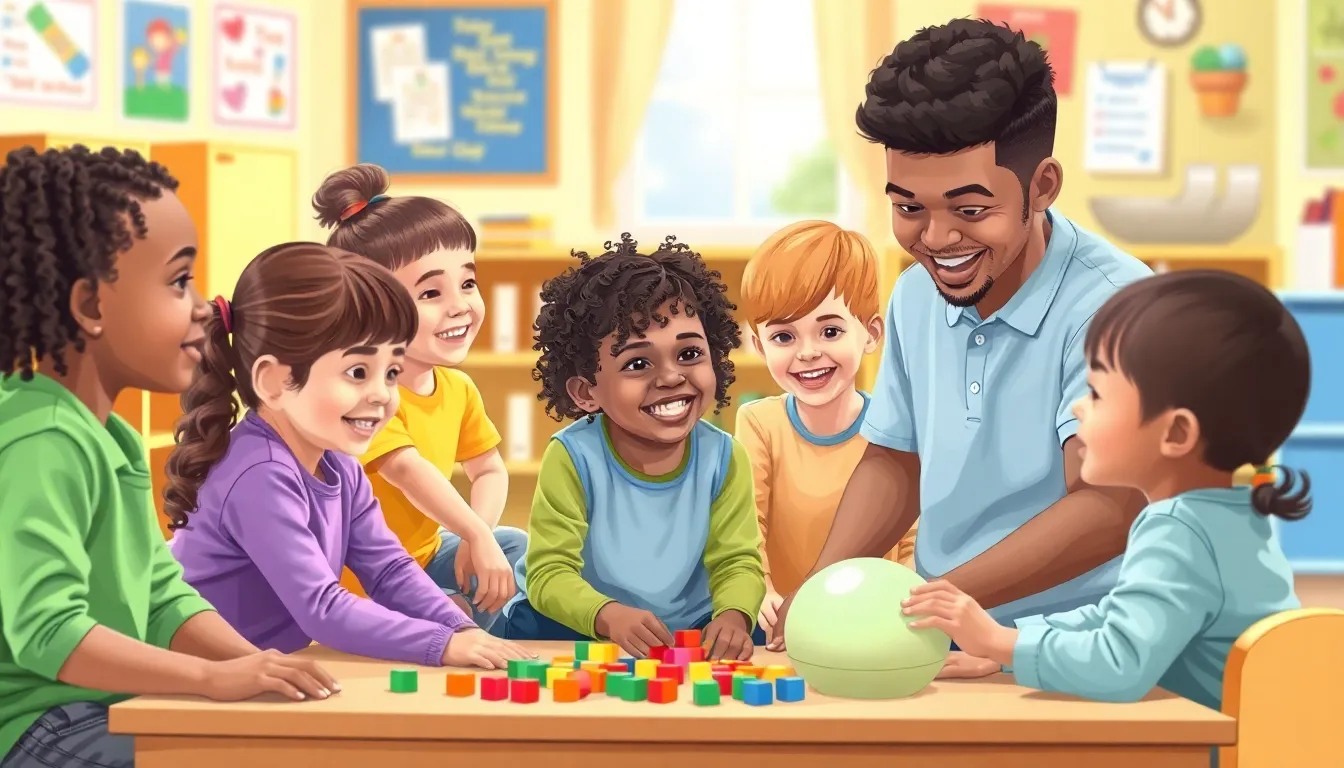
Inclusive preschools offer significant advantages for young learners, promoting development across various domains. They create environments where diversity thrives, enhancing the overall preschool experience for children.
Social Development
Children gain essential social skills in inclusive settings. They learn to communicate effectively while engaging with peers who have different abilities. Empathy grows naturally as students interact, fostering respect and understanding for others. Engaging in collaborative activities encourages teamwork, building lasting friendships. Children develop conflict resolution skills through diverse interactions, preparing them for future social challenges. Research shows that inclusive preschools significantly improve children’s self-esteem and confidence by normalizing differences.
Academic Advantages
Inclusive preschools enhance academic performance for all children. By providing tailored support and resources, educators address individual learning needs. Children benefit from varied teaching techniques that cater to different learning styles, creating a more robust educational experience. Exposure to diverse perspectives during group activities promotes critical thinking and problem-solving. Studies indicate that children in inclusive settings often demonstrate improved literacy and numeracy skills. These academic advantages prepare them for continued success in formal education.
Challenges Faced by Inclusive Preschools
Inclusive preschools encounter several obstacles that can impact their effectiveness. Addressing these challenges promotes a more supportive learning environment for all children.
Resource Allocation
Limited funding often restricts the resources available to inclusive preschools. Many educators face difficulties securing appropriate materials that cater to diverse learning needs. Additionally, creating adaptive learning spaces requires investment in specialized equipment. Competing demands for resources can hinder the implementation of tailored programs. Schools frequently rely on external grants or community support to bolster their budgets. Effective resource allocation remains crucial for enhancing educational experiences in inclusive settings.
Teacher Training and Support
Professional development is vital in preparing staff for inclusive classrooms. Insufficient training programs can leave educators unprepared to meet the needs of all students. Many teachers lack knowledge of best practices for supporting children with disabilities. Providing continuous training helps equip them with effective strategies and tools. Collaboration among trained staff enhances their ability to address individual differences. Ongoing support from specialists fosters a culture of inclusivity and understanding within the school community.
Success Stories in Inclusive Preschools
Inclusive preschools have demonstrated success through various programs and initiatives. These success stories reflect the effectiveness of inclusive education in nurturing diverse learners.
Case Studies of Effective Programs
One effective program operates in California, where teachers implement individualized learning plans for students with varying abilities. They create adaptive activities that engage children through play-based learning. Another program in New York focuses on partnerships with local speech therapists, improving communication skills for all students. This collaboration allows every child to benefit from targeted support. A Massachusetts preschool showcases mixed-age classrooms, promoting peer mentoring among older and younger children. This strategy enhances social interactions and cultivates empathy and understanding.
Testimonials from Parents
Parents share positive experiences with inclusive preschools. “My child flourished in an inclusive environment,” one mother states, highlighting improved social skills and confidence. Another parent emphasizes how friendships formed among children encourage acceptance and diversity. “I appreciate the individualized attention my child receives,” they say, attributing the child’s academic success to tailored teaching methods. Families often report a sense of community among parents, fostering collaboration and mutual support. Inclusive preschools not only benefit children but also create networks of understanding and encouragement for families.
Inclusive preschools play a vital role in shaping a compassionate and collaborative future. By bringing together children of all abilities they foster an environment rich in diversity and understanding. These settings not only enhance social skills and academic performance but also build lasting friendships that contribute to children’s self-esteem.
The challenges faced by inclusive preschools highlight the need for ongoing support and training for educators. Success stories from various programs demonstrate that with the right resources and commitment, inclusive education can thrive. Ultimately inclusive preschools create a supportive community where families can connect and grow together, paving the way for a more inclusive society.