

When it comes to early childhood education, manipulatives are like the secret sauce that transforms a bland meal into a gourmet dish, infinitely more fun and beneficial. Just imagine a room full of toddlers, giggling and engaged, while they learn without even realizing it. In this text, we’ll jump into the colorful world of preschool manipulatives, exploring their importance and how they can make learning an absolute blast.
Understanding the Importance of Manipulatives in Early Childhood Education
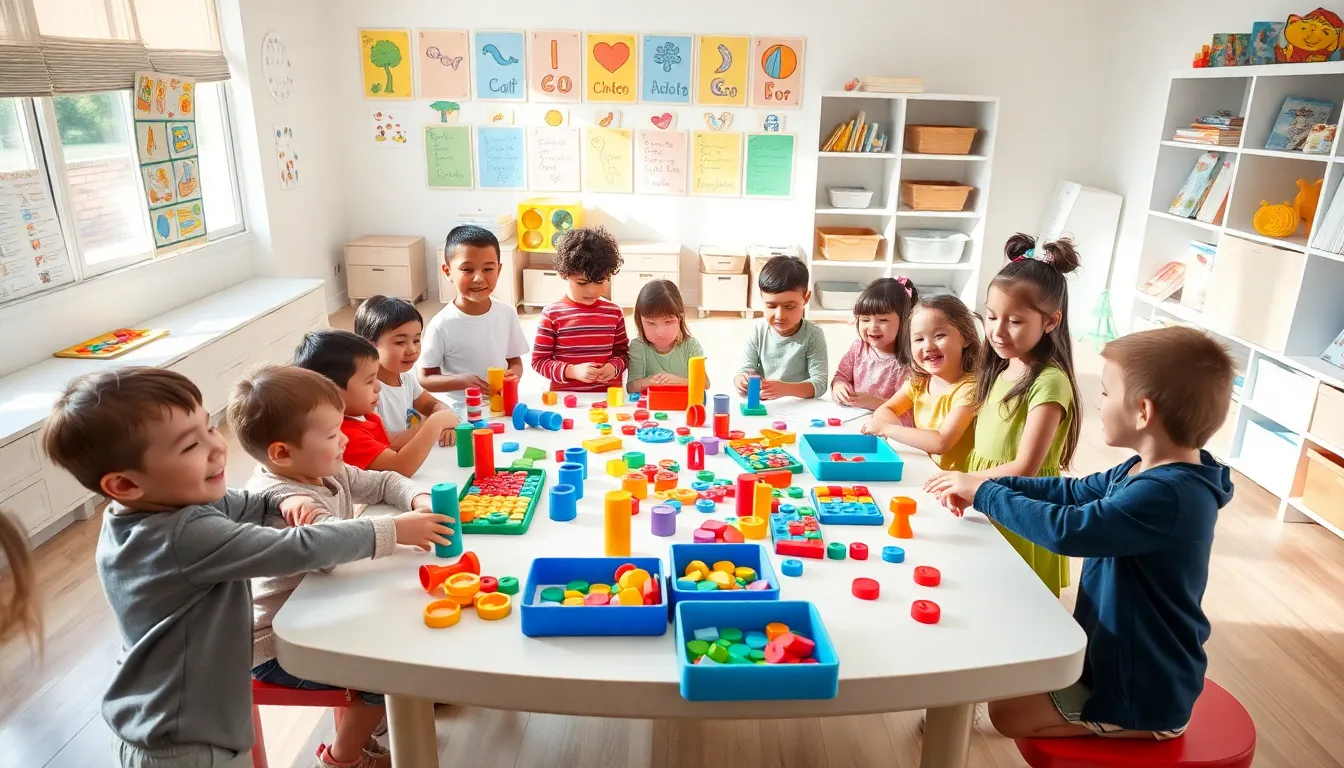
In the realm of early childhood education, manipulatives serve as vital tools that enhance hands-on learning. They are not merely toys: they are instruments of discovery that allow young children to explore concepts like counting, sorting, and problem-solving through tactile experiences. Whether it’s a set of colorful blocks or a pack of oversized buttons, manipulatives provide an engaging way for preschoolers to grasp abstract concepts more concretely. By interacting with these objects, children develop both fine motor skills and cognitive abilities, laying a solid foundation for future learning.
The integration of manipulatives into the curriculum promotes active learning. Children engage their senses and connect newly acquired knowledge with real-world experiences. In a world where digital distractions are ever-present, manipulatives offer a refreshing break, encouraging kids to interact with their environment in meaningful ways.
Types of Manipulatives for Preschoolers
There’s a broad spectrum of manipulatives available, each serving different educational purposes. Here are some popular types that preschoolers will adore:
- Counting Bears: These colorful, bear-shaped counters are perfect for introducing counting and basic math concepts.
- Building Blocks: Simple yet versatile, blocks strengthen spatial awareness and problem-solving skills as children construct structures.
- Shape Sorters: These classic toys help kids recognize shapes, colors, and develop logical thinking as they match pieces.
- Play Dough: Moldable and fun, play dough enhances fine motor skills while allowing creativity to blossom.
- Lacing Cards: Great for hand-eye coordination, lacing cards help improve dexterity and concentration while providing a playful challenge.
- Puzzles: Encouraging critical thinking, puzzles help develop cognitive skills while children enjoy piecing together colorful images.
Each type of manipulative invites preschoolers to engage with their learning environment, making education enjoyable and dynamic.
Benefits of Using Manipulatives in the Classroom
The advantages of incorporating manipulatives into preschool classrooms are numerous and compelling. Here are several key benefits:
- Enhanced Engagement: Manipulatives naturally captivate children’s attention, making learning more enticing. They turn lessons into adventures, keeping preschoolers focused and eager to explore.
- Promotes Active Learning: Through tactile interaction, manipulatives promote a hands-on learning approach that encourages children to experiment, ask questions, and develop critical thinking skills.
- Improves Retention: Research shows that when children physically manipulate objects, they are more likely to remember and understand concepts long-term. The combination of visual, auditory, and kinesthetic learning styles fosters a deeper comprehension.
- Encourages Collaboration: Manipulatives often foster group activities, allowing children to collaborate with their peers. Such interactions build social skills and teamwork, crucial for young learners.
- Supports Differentiated Learning: With manipulatives, teachers can tailor activities to meet individual learning needs, ensuring that every child has the support they require to thrive.
Tips for Choosing the Right Manipulatives
Selecting the perfect manipulatives can significantly influence their effectiveness in the classroom. Here are a few handy tips:
- Age Appropriateness: Ensure that manipulatives are suitable for preschool-aged children. Avoid small pieces that could pose choking hazards.
- Flexibility: Opt for versatile manipulatives that support multiple learning outcomes. Choose objects that can be used in various ways and for different subjects.
- Durability: Young learners can be a bit rough on their toys. Choose manipulatives made from sturdy materials to withstand the rigors of playful exploration.
- Inclusivity: Consider products that cater to varying learning abilities and styles. Incorporating manipulatives that allow for sensory, visual, and auditory engagement helps accommodate every child.
- Educational Value: Aim for manipulatives that have clear educational benefits, ensuring that playtime also contributes to learning in meaningful ways.
Incorporating Manipulatives into Daily Activities
Integrating manipulatives into everyday preschool activities creates seamless learning experiences. Here are some effective strategies:
- Math Centers: Set up dedicated areas where children can freely explore counting tools, shape sorters, and measuring cups during math time.
- Art Projects: Use play dough or beads to create art, allowing kids to incorporate color and shape recognition into their artistic expression.
- Story Time: Incorporate manipulatives referring to the story. For instance, if reading a book about animals, use toy animals for visual storytelling.
- Group Activities: Engage children in collaborative games with manipulatives, enhancing both learning and social skills.
- Free Play: Allow time for open-ended play with manipulatives. This encourages creativity, problem-solving, and independent thinking, all essential in a preschool setting.
Creative Ideas for Using Manipulatives at Home
Manipulatives aren’t just for the classroom: they can enhance learning at home, too. Here are some creative uses:
- DIY Manipulatives: Create homemade counters using items like pasta shapes or buttons, which not only helps in counting but is also fun to make.
- Interactive Learning Stations: Set up dedicated areas where children can use manipulatives to explore math or art, sparking curiosity and enjoyment in learning.
- Games and Challenges: Turn manipulatives into games: for instance, create a scavenger hunt using blocks where children build specific structures.
- Mealtime Learning: Involve manipulatives during family meals: use food items for counting or sorting, making mealtime an additional learning experience.
- Garden Projects: Use items like seeds or garden tools as manipulative to teach about plants, measurement, and nature, merging outdoor play with education.