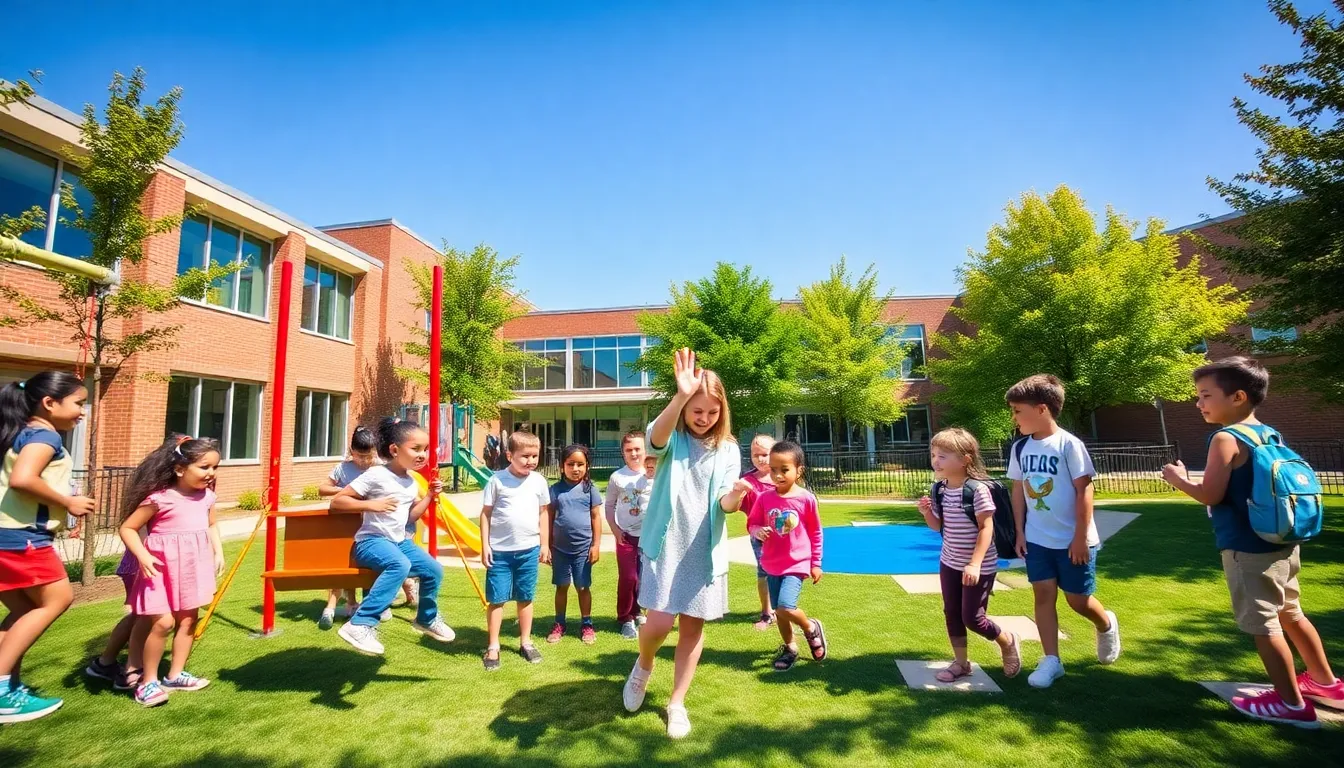

In the bustling world of education, parent-teacher communication often feels like trying to decipher a toddler’s crayon drawing—confusing yet full of potential. But when parents and teachers unite, magic happens. It’s not just about report cards and school plays; it’s about creating a support system that champions every child’s success.
Imagine a world where parents and teachers share a laugh over a shared goal: nurturing young minds. With open lines of communication, parents can become the ultimate cheerleaders, while teachers can transform into trusted allies. Together, they can tackle everything from homework meltdowns to playground politics. So let’s dive into the art of parent-teacher communication and discover how a little collaboration can turn those awkward encounters into powerful partnerships.
Importance Of Parent-Teacher Communication
Effective communication between parents and teachers significantly influences student outcomes. Parents and teachers both play essential roles in a child’s education, making collaboration vital for success.
Enhancing Student Success
Active parent-teacher communication directly correlates with improved academic performance. Children benefit when parents are informed about school activities and curricular changes. Shared insights regarding student strengths and challenges foster personalized learning strategies. Teachers can suggest resources for skill development, while parents can provide context on home dynamics. Engaging in regular discussions about progress ensures that support aligns with the child’s needs.
Building Relationships
Strong relationships between parents and teachers establish a positive school environment. Trust and respect grow when communication remains open and constructive. Parents who feel valued can share insights and concerns that contribute to the child’s learning experience. Similarly, teachers appreciate feedback that can enhance instructional practices. By participating in school events and meetings, parents and teachers cultivate a sense of community around education. Increased collaboration supports not only the student but the entire educational ecosystem.
Methods Of Communication
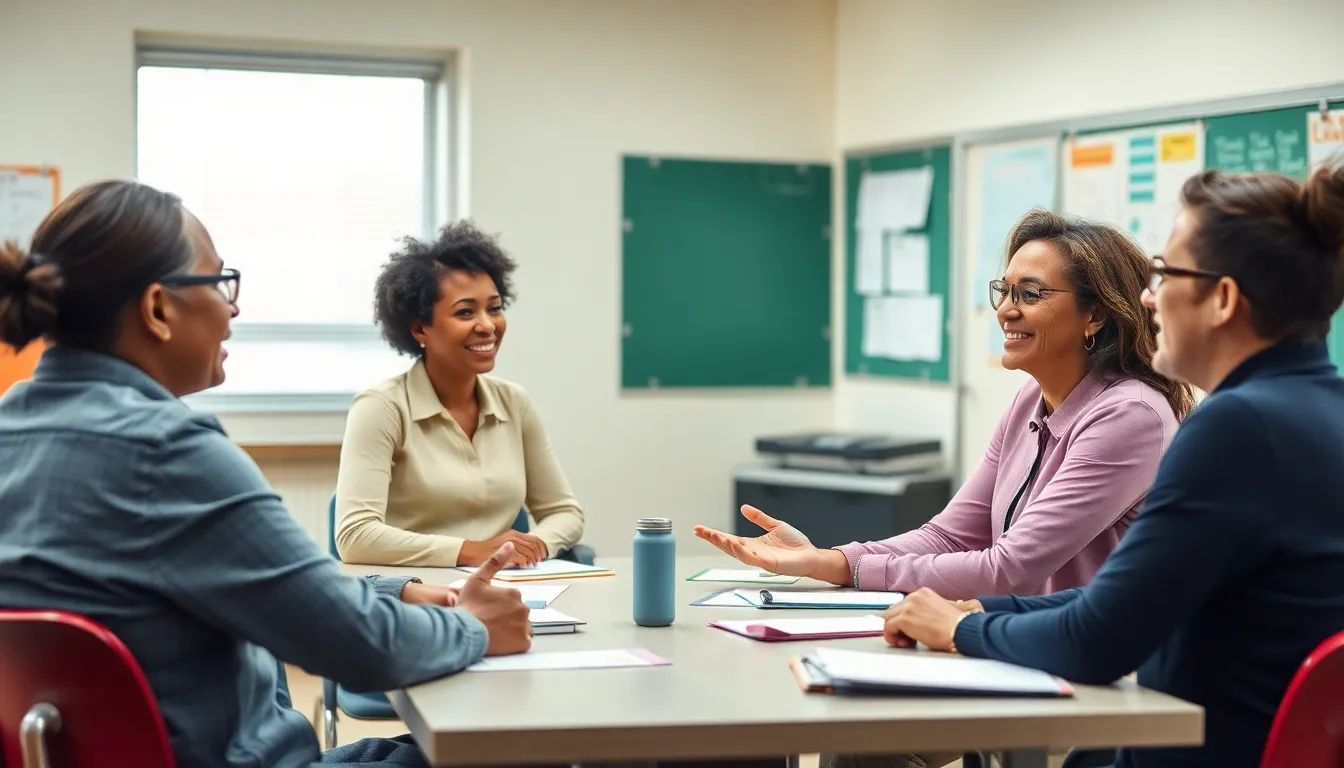
Effective communication methods enhance the parent-teacher partnership, facilitating stronger collaboration and support for students.
Traditional Methods
Conferences offer face-to-face time for parents and teachers to discuss student progress. Phone calls provide immediate feedback regarding academic milestones and social interactions. Newsletters keep parents informed about school activities and important announcements. Home visits allow teachers to understand the child’s environment and learn how it affects learning. These traditional methods maintain personal connections, fostering trust and engagement.
Modern Methods
Emails streamline communication by providing a quick way to share updates and concerns. Online portals enable parents to track grades and assignments in real-time. Social media groups foster community engagement, allowing for instant interactions among parents and teachers. Text messaging services facilitate timely reminders about school events and urgent notifications. These modern methods promote efficiency and accessibility, reinforcing ongoing dialogue between parents and teachers.
Challenges In Parent-Teacher Communication
Effective parent-teacher communication faces various challenges. These challenges can hinder collaboration and ultimately impact student success.
Barriers To Effective Communication
Misunderstanding often arises from differing communication styles. Time constraints can prevent parents from engaging actively. Language barriers further complicate communication, isolating non-native speakers. Inconsistent information creates confusion, leading to mistrust in the partnership. Lastly, some parents may feel intimidated or unwelcome in school settings, blocking open dialogue.
Solutions To Overcome Challenges
Creating clear communication guidelines fosters understanding. Offering translation services ensures all parents can participate. Scheduling flexible meeting times accommodates busy family schedules. Utilizing technology enhances accessibility, making information readily available. Encouraging a welcoming atmosphere at schools builds trust and invites parental involvement.
Best Practices For Effective Communication
Effective communication between parents and teachers hinges on clarity and consistency. Establishing clear expectations from the start fosters understanding and reduces potential misunderstandings.
Establishing Clear Expectations
Setting specific goals for communication benefits both teachers and parents. Clearly defined roles enhance collaboration and ensure accountability. Teachers should outline preferred communication methods, response times, and expectations for parental involvement. Parents ought to express their availability and preferred contact channels. Regularly revisiting these expectations helps maintain focus and supports ongoing dialogue. Throughout the school year, maintaining open lines encourages flexibility, accommodating any changes in circumstances. Structured communication plans facilitate a proactive approach to addressing concerns and celebrating student achievements.
Utilizing Technology
In today’s digital age, leveraging technology streamlines communication efforts. Schools can implement online portals where parents access real-time updates, grades, and announcements. Email and messaging apps provide platforms for quick, efficient responses. Virtual conferences offer convenient options for parents unable to visit the school in person. Social media groups facilitate community building, promoting discussions and shared resources among parents and teachers. Utilizing these technological tools strengthens relationships, keeping everyone informed and engaged. Embracing innovative communication methods makes it easier to nurture supportive partnerships that ultimately benefit student success.
Effective parent-teacher communication is essential for fostering a nurturing educational environment. By embracing various communication methods and addressing potential challenges, schools can build stronger partnerships with families. This collaboration not only enhances student outcomes but also creates a sense of community where everyone feels valued. As both parents and teachers work together toward shared goals, they lay the groundwork for students to thrive academically and socially. Prioritizing open dialogue and mutual respect can transform the educational experience, ensuring that every child receives the support they need to succeed.