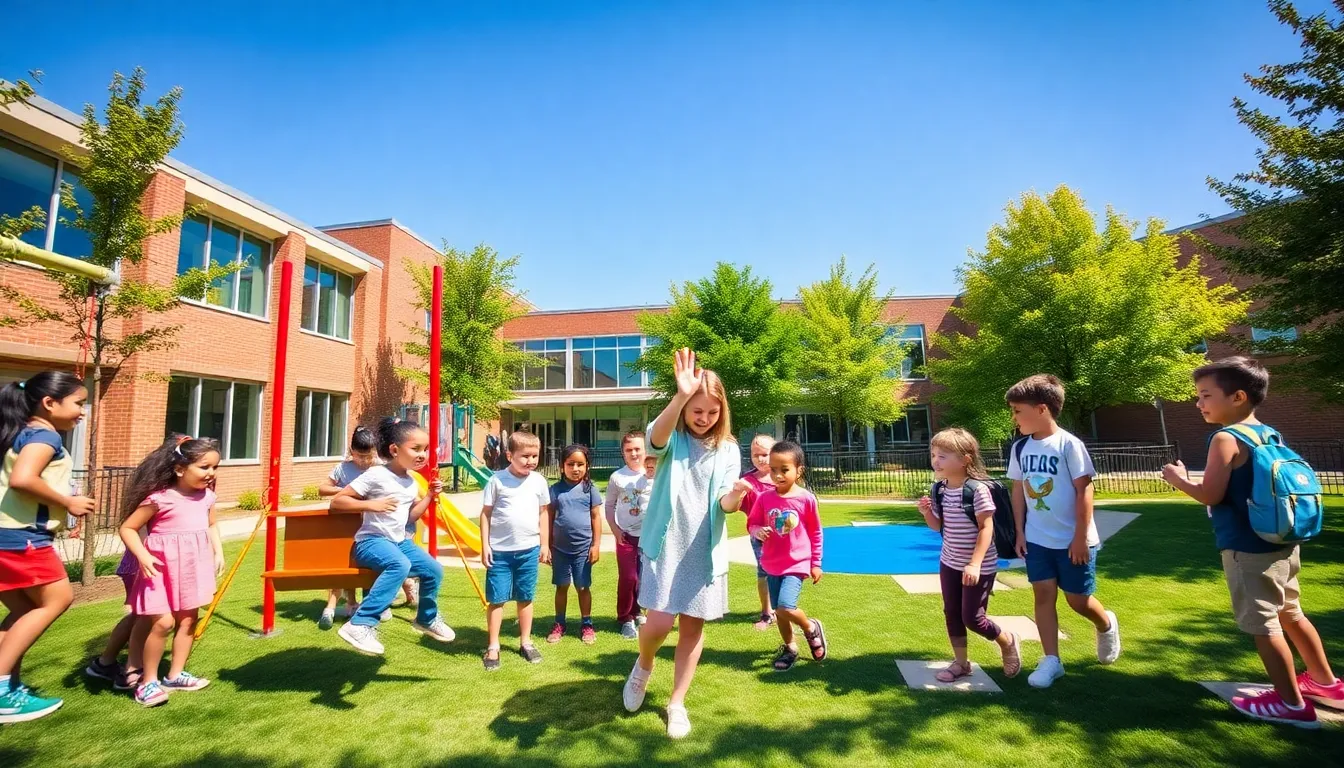
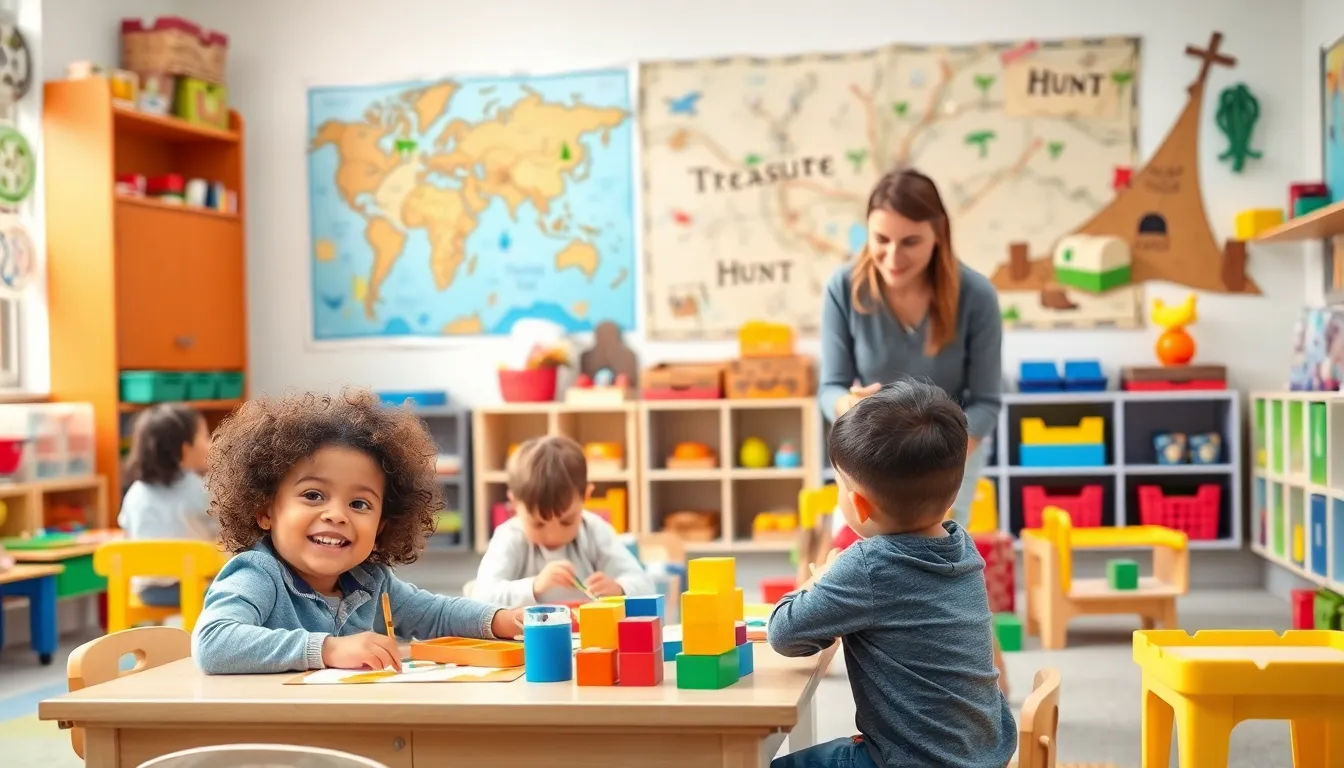
Every child’s adventure begins long before they can tie their shoes or master the art of sharing. The preschool learning journey is like a magical treasure map leading little explorers through a world of colors, numbers, and the occasional finger paint explosion. It’s not just about learning; it’s about discovering the joy of curiosity and the thrill of making new friends—preferably ones who don’t mind sharing their crayons.
Overview of Preschool Learning Journey
The preschool learning journey serves as a foundational experience where children engage in diverse activities that promote growth. This stage emphasizes social, emotional, and cognitive skills, laying the groundwork for future learning. Curiosity grows as children explore their surroundings, developing a love for discovery.
During this period, children interact with peers, fostering vital social skills. They learn to share, cooperate, and resolve conflicts. Friendships emerge, enriching their social experiences and enhancing their emotional intelligence. Sharing toys, experiences, and ideas encourages communication and teamwork among children.
Structured activities contribute significantly to cognitive development. Children learn colors, shapes, and numbers through engaging methods, such as games and interactive lessons. Storytime introduces them to language and literacy, sparking imagination and critical thinking. By engaging with various materials, from art supplies to building blocks, children strengthen their fine motor skills.
Preschool environments cultivate a balance between guided activities and free play. This balance nurtures children’s independence, creativity, and problem-solving abilities. Teachers play a crucial role, providing support and encouragement while allowing children the freedom to explore. Safe spaces enable children to take risks, fostering confidence and resilience.
Parents also contribute to the preschool journey. They reinforce lessons learned in school through family activities, creating a seamless learning experience. Involvement from parents boosts motivation and encourages positive attitudes toward education. Overall, the preschool learning journey enriches children’s lives, preparing them for future academic challenges.
Importance of Early Childhood Education
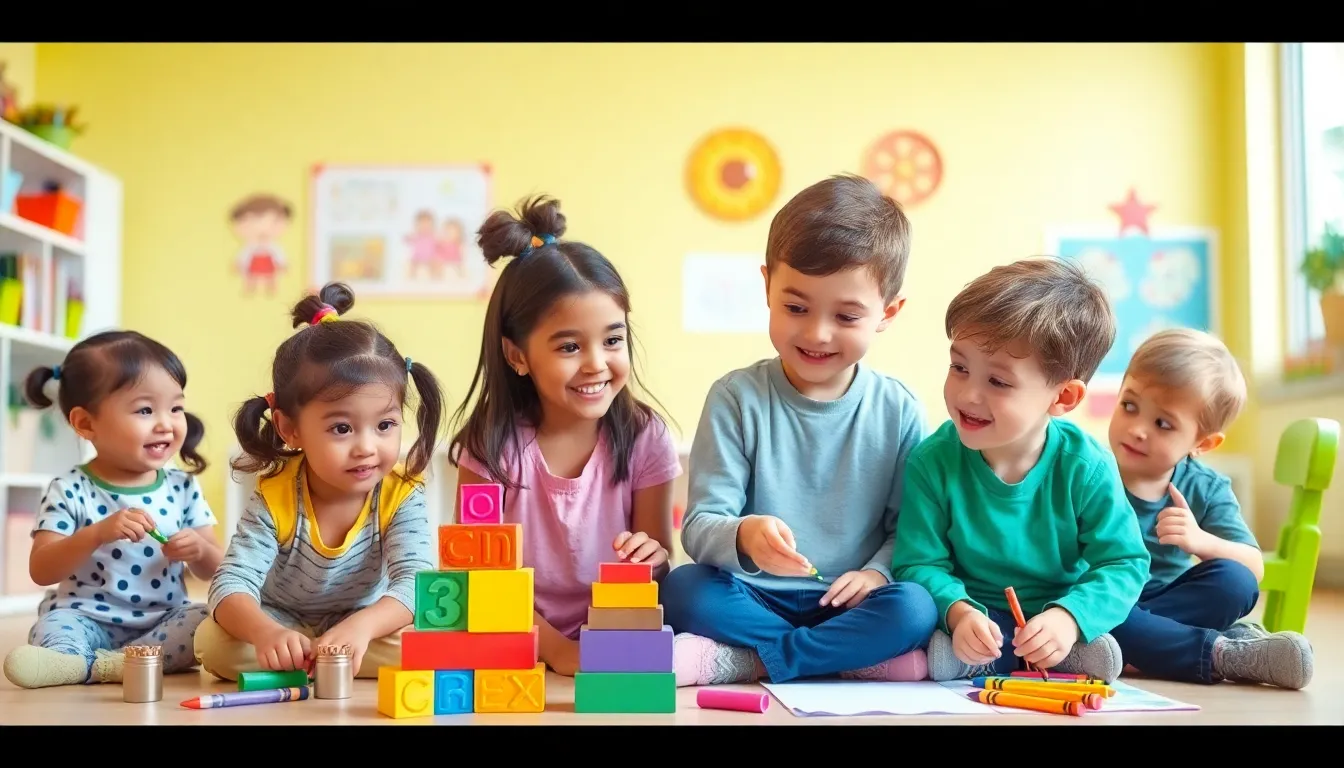
Early childhood education plays a vital role in shaping a child’s future. It lays the groundwork for social, emotional, and cognitive development.
Developmental Milestones
Developmental milestones mark key achievements in a child’s growth from ages three to five. Children typically learn to recognize shapes and colors, hold conversations, and understand basic concepts like numbers. In this phase, they refine motor skills through activities such as drawing or building with blocks. Social interactions lead to sharing and cooperation, which enhance emotional regulation. Cognitive skills flourish as children participate in engaging storytelling and imaginative play. Each milestone achieved fosters confidence and encourages further exploration in learning.
Impact on Future Learning
Early education significantly impacts future academic success. Children exposed to structured learning environments show increased readiness for kindergarten. Skills obtained through preschool enhance literacy and numeracy, establishing a strong academic foundation. Social competence gained during preschool years leads to better peer relationships and improved classroom behavior. Long-term studies reveal that these early experiences correlate with higher graduation rates and increased career opportunities. The benefits of early childhood education extend well beyond the preschool classroom, influencing children’s lifelong learning journey.
Key Components of a Successful Preschool Learning Journey
A successful preschool learning journey hinges on several crucial components. These elements work together to create an environment conducive to early childhood development.
Curriculum and Structure
Curriculum design plays a vital role in preschool. A well-structured curriculum includes diverse activities that promote social, emotional, and cognitive skills. Children engage in learning experiences that encourage exploration and discovery. For example, recognizing shapes and colors occurs through hands-on activities. Interactive storytime fosters language development, while group activities enhance cooperation. These structured experiences provide a foundation for lifelong learning. Teachers facilitate lessons while allowing flexibility for creativity. Such an approach ensures children remain motivated and curious, adapting their learning journeys based on individual interests and needs.
Role of Play in Learning
Play serves as a fundamental aspect of preschool education. It provides children with opportunities to explore concepts freely and engage their imaginations. Through play, children develop critical social skills, learning to share, cooperate, and resolve conflicts. For instance, role-playing encourages empathy and understanding of different perspectives. Encouraged independent play nurtures confidence and decision-making abilities. Additionally, balancing guided play with free exploration supports cognitive growth, reinforcing the lessons taught. Ultimately, play-based learning nurtures emotional intelligence and prepares children for future educational experiences.
Parental Involvement in Preschool Learning
Parental involvement significantly enhances children’s preschool learning experiences. Engaging actively in the preschool community fosters stronger ties between families and educators.
Communication with Educators
Effective communication with educators is crucial. Parents can establish open lines of dialogue to discuss their child’s progress. Regular check-ins allow for feedback on social skills, emotional development, and cognitive milestones. Attending parent-teacher meetings provides insights into classroom activities and curriculum. Sharing observations about behavior and interests at home can help educators tailor experiences. Utilizing classroom communication tools ensures parents stay informed about upcoming events and learning objectives. Building strong relationships with educators encourages collaborative approaches to support each child’s unique needs.
Supporting Learning at Home
Supporting learning at home reinforces preschool lessons. Parents should create a nurturing environment that encourages exploration and curiosity. Reading together enhances language skills and promotes a love for stories. Incorporating educational games and activities allows for hands-on learning experiences. Engaging in creative tasks like drawing and building nurtures fine motor skills. Parents can encourage discussions about daily experiences, fostering language development and social skills. Setting aside dedicated time for interactive play deepens connections and understanding. By prioritizing these activities, families contribute to their child’s continuous growth and readiness for future learning.
Challenges in the Preschool Learning Journey
The preschool learning journey poses several challenges that can impact a child’s educational experience.
Common Barriers to Effective Learning
Social anxiety often presents a barrier, making it tough for some children to engage with peers. Learning differences may hinder a child’s ability to keep pace with classroom activities. Limited parental involvement can also affect learning outcomes, reducing support for reinforcement at home. Additionally, inconsistent routines contribute to difficulty in adapting to the structured environment of preschool. A lack of resources or trained staff may restrict the effectiveness of teaching methods used in various preschools.
Strategies to Overcome Challenges
Creating a welcoming environment encourages children to build confidence and socialize more freely. Engaging children through tailored activities supports diverse learning styles and addresses specific challenges. Regular communication between educators and parents ensures alignment on curriculum goals and strategies. Establishing consistent routines helps children adapt and thrive in the preschool setting. Incorporating hands-on learning experiences boosts interest and engagement, facilitating smoother transitions between guided and independent play.
The preschool learning journey is a vital stepping stone in a child’s development. It fosters essential skills that shape their social interactions and emotional well-being. Through a combination of guided activities and free play, children learn to navigate their world with curiosity and confidence.
Parental involvement further enriches this experience, reinforcing lessons learned in the classroom. By actively engaging in their child’s education, parents help create a supportive environment that enhances learning.
Ultimately, the experiences gained during these early years lay a strong foundation for future academic success and personal growth. Investing in quality preschool education not only benefits children today but also paves the way for a brighter tomorrow.