
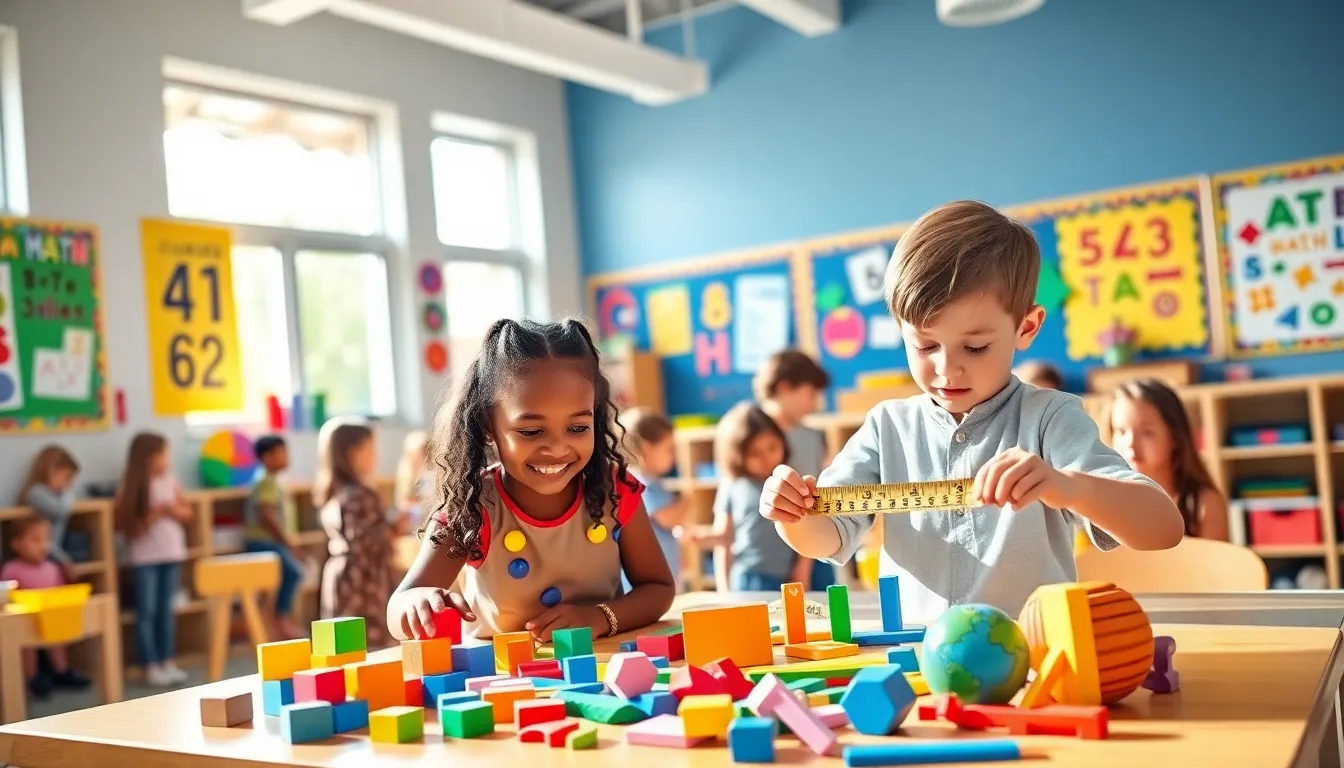
Why do kids love numbers? It might be because they can count how many cookies they can sneak from the jar. Teaching preschool math isn’t just about numbers: it’s laying the groundwork for their future learning adventures. In this text, we will jump into the importance of starting math education early, explore key components of a preschool math curriculum, and discuss creative activities that make learning fun. Stay with us as we count our way to educational success.
Importance of Early Math Skills
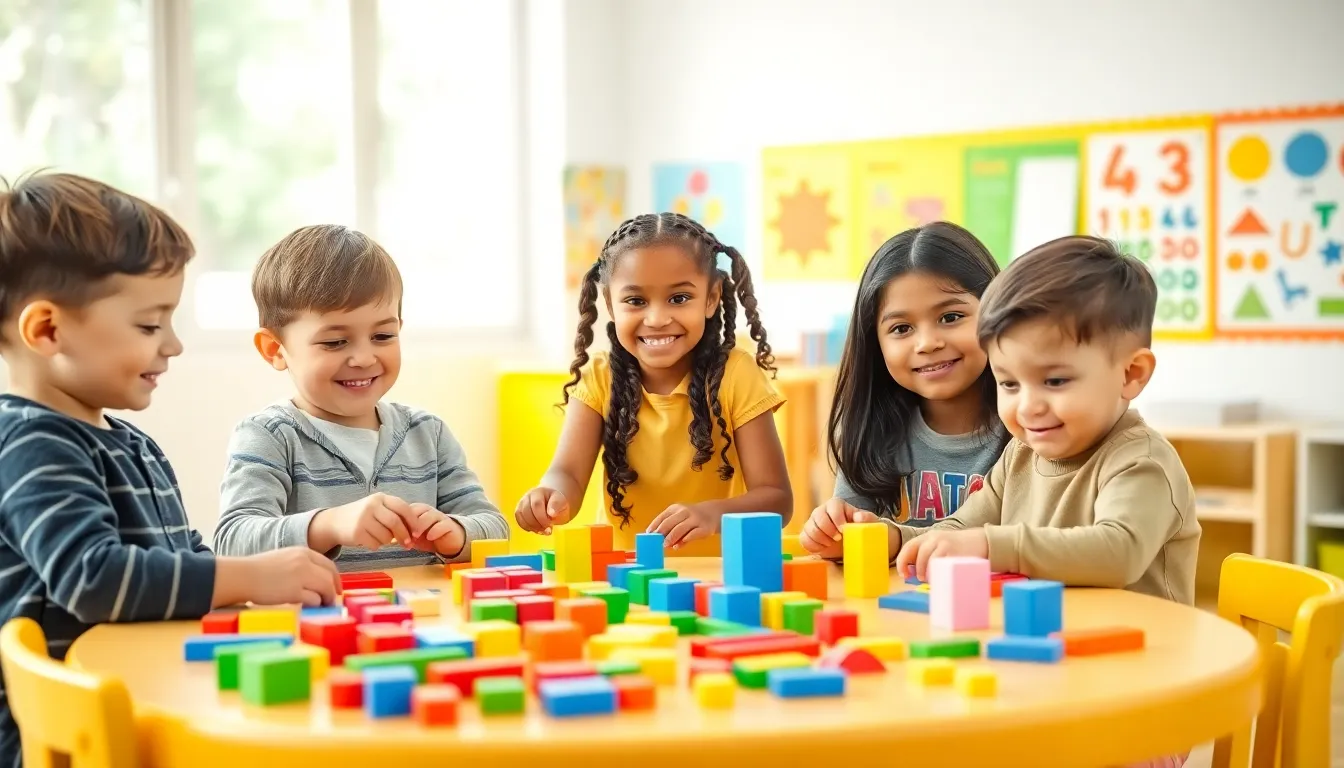
Early mathematics skills are crucial for a child’s development. Research shows that strong math abilities in preschool can lead to better academic outcomes in later years. Kids first encounter the world of numbers through everyday experiences, think about sorting toys or counting fish in a bowl.
These foundational skills help children develop problem-solving abilities, critical thinking, and even social skills. Plus, a good grasp of math early on boosts confidence. When kids tackle puzzles or simple equations, they feel like little geniuses. Importantly, early math skills also correlate with literacy development, forming a base for overall academic success.
Key Components of a Preschool Math Curriculum
A well-structured preschool math curriculum should include several key components. First, children should learn number recognition and counting. Activities that involve rote counting, such as counting blocks or animals, can be beneficial. Second, understanding basic shapes is essential. Kids can explore shapes through art projects or building activities.
Third, introducing basic addition and subtraction concepts sets the stage for more complex operations later. Utilizing visual aids, such as fingers or small objects, helps in illustrating these concepts. Don’t forget about measurement. Comparing sizes with everyday items is not just practical, it can ignite curiosity and support spatial awareness.
Engaging Activities for Teaching Math Concepts
Engagement is key when teaching math concepts to preschoolers. Crafting playful activities makes learning fun and effective. For example, a treasure hunt that requires counting steps to find hidden objects can captivate their attention, promoting counting and direction-following skills.
Another fantastic activity is creating a mini market where kids can use play money to exchange goods. This introduces basic addition and subtraction in a real-world context. Singing counting songs or using number-themed books enriches their learning experience too. Hands-on activities, such as making simple patterns with colored beads or blocks, allow children to explore mathematical concepts in a vibrant manner.
Integrating Math Across the Curriculum
Integrating math into various subject areas strengthens understanding. Whether you’re baking cookies, measuring ingredients, or counting fruits for a snack, the kitchen is a great math classroom. Incorporating math into daily activities makes it relevant and exciting.
Arts and crafts projects also offer opportunities for engaging math experiences. For example, while painting, children can talk about sizes and shapes, reinforcing their learning in a creative context. Storytime can imbue math concepts as well. Books that feature numbers or counting elements can encourage children to think mathematically as they enjoy a good story.
Assessment and Progress Tracking in Preschool Math
Regular assessment and tracking progress are important for a successful preschool math curriculum. Teachers can observe students during activities, noting individual strengths and areas for growth. Simple assessments, like counting exercises or shape identification, can provide insights into each child’s understanding.
Using portfolios is another great way to document children’s learning journeys. By collecting samples of their work over time, educators can see how their mathematical skills develop. This combination of observation and documentation allows for personalized learning experiences, ensuring that each child has the support they need to thrive.
Challenges in Teaching Preschool Math
Teaching preschool math does come with its challenges. One significant difficulty is maintaining engagement. With short attention spans, kids can easily drift into distraction. Creative and interactive methods are vital in keeping their focus intact.
Also, not every child learns at the same pace. Some may master counting quickly while others may require more time. Patience and adaptability are key for educators. Addressing different learning styles requires flexible teaching approaches. Also, overcoming parental anxieties about math education can be challenging. Educators must work to communicate the importance of early math skills and how they contribute to long-term learning.