
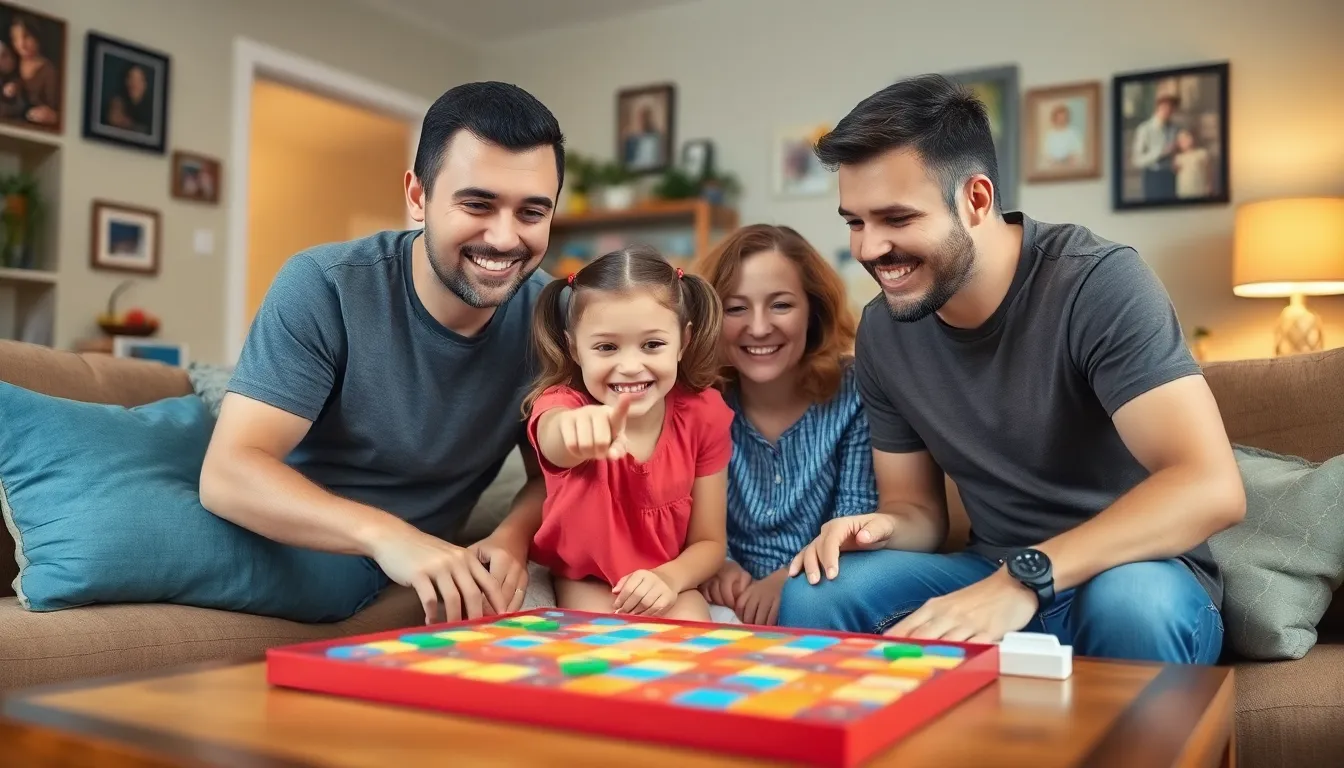
In a world filled with screens and distractions, finding ways to connect with family can feel like a Herculean task. Enter simple family games—your secret weapon in the battle against boredom and the ultimate way to create unforgettable memories. These games don’t require fancy equipment or a PhD in strategy; all they need is a little creativity and a willingness to have fun.
The Importance Of Simple Family Games
Simple family games encourage connection and engagement among family members. They foster communication skills, promoting interaction that strengthens relationships. Quality time spent playing games enhances bonding and creates cherished memories.
Games require active participation, offering everyone a chance to contribute and collaborate. Both children and adults can develop critical thinking skills and problem-solving abilities through gameplay. Additionally, these activities can reduce stress, providing a fun outlet for relaxation.
Playing games together cultivates a sense of belonging within the family unit. Families that play regularly often experience improved moods and increased overall happiness. Social skills also benefit, as players learn teamwork, patience, and respect for others.
Simple family games can be adapted for any group size or age range. Creativity plays a vital role in game selection, enabling family members to tailor their experiences. These games do not depend on expensive materials or extensive planning, making them accessible to everyone.
Families can incorporate education into gameplay, reinforcing learning in a playful manner. Games like charades or scavenger hunts offer both fun and learning opportunities. Through these experiences, families build resilience and adaptability.
Overall, simple family games promote mental well-being, social cohesion, and an environment of fun and laughter. Prioritizing playtime strengthens familial bonds and creates a foundation for lasting relationships.
Types Of Simple Family Games
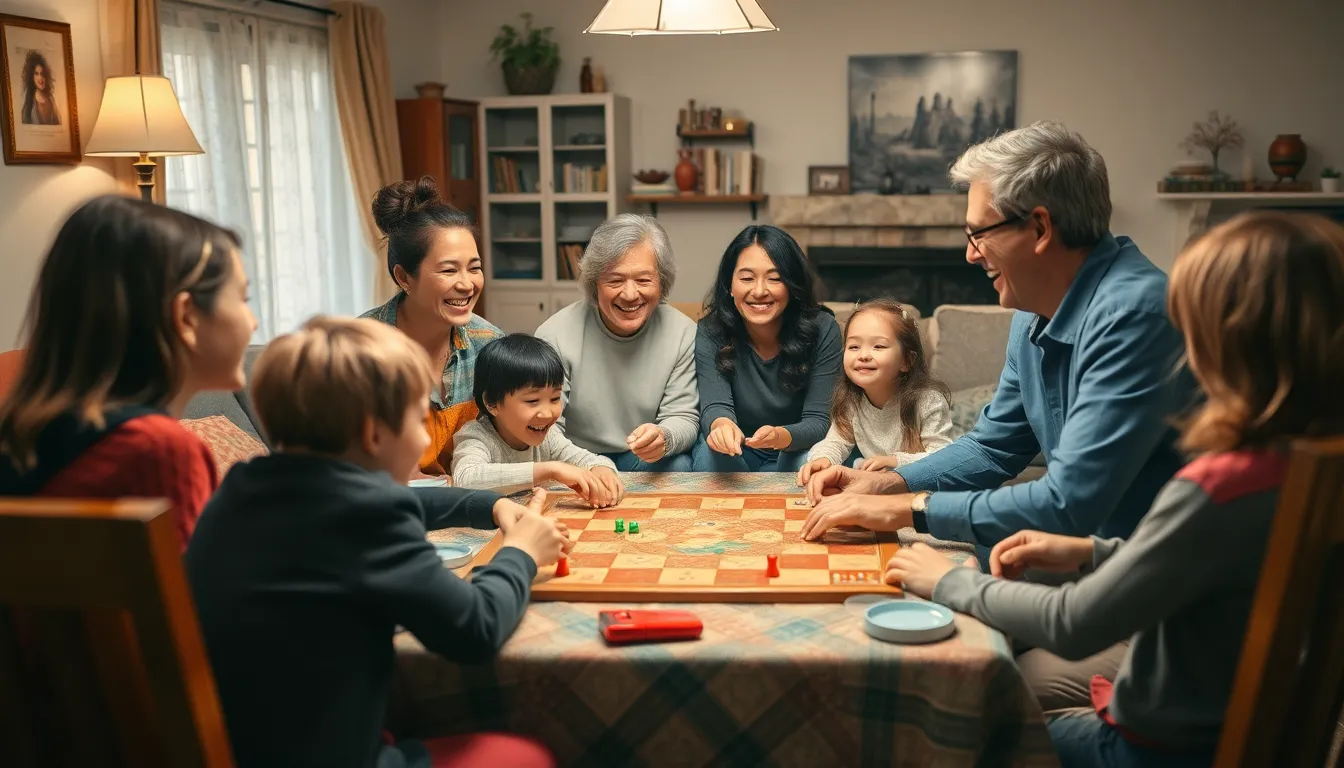
Families can choose from various types of simple games to enrich their time together. Each category offers unique opportunities for fun and bonding.
Board Games
Board games bring families together around a table. Games like “Monopoly” or “Scrabble” encourage strategy and critical thinking. Players of all ages can join in, making these games versatile for family enjoyment. Winning or losing becomes less important than sharing laughter and creating memories. Many board games require only a few players, allowing flexibility in group sizes. The experience fosters teamwork and friendly competition while engaging everyone’s intellect.
Card Games
Card games are simple and quick to set up. Classics such as “Uno” or “Go Fish” appeal to younger players while still entertaining adults. Players can gather around a table or even play while lounging on the couch. These games often involve elements of strategy and chance, allowing families to sharpen their decision-making skills. Playing card games also promotes interaction, as players communicate and react to each other’s moves, adding a social dimension to the activity.
Outdoor Games
Outdoor games encourage physical activity and fresh air. Activities like “Capture the Flag” or “Cornhole” allow families to enjoy the natural environment together. These games can accommodate larger groups, making them perfect for family gatherings or barbecues. Engaging in outdoor games improves coordination and teamwork among participants. Families can adapt rules to suit their preferences, extending the fun without needing elaborate setups or equipment. Outdoor games also provide a healthy outlet for energy, fostering a sense of community and connection.
Benefits Of Playing Simple Family Games
Playing simple family games offers numerous benefits that enrich family life. These games create an environment where connections flourish and relationships strengthen.
Strengthening Family Bonds
Family games serve as a catalyst for bonding. Shared experiences during gameplay foster trust and understanding among family members. Engaging in fun activities together often leads to laughter, creating lasting memories. Families experience a sense of togetherness, which transforms routine moments into cherished highlights. Simple games can alleviate tension, allowing family members to unite in a shared goal or initiative. Regularly participating in these activities cultivates a supportive atmosphere, enhancing emotional ties and nurturing long-lasting relationships.
Enhancing Communication Skills
Enhanced communication emerges naturally through family game interactions. Players must articulate their thoughts and strategies, leading to improved verbal skills. Listening becomes essential during gameplay, as understanding others’ perspectives fosters empathy. Many simple games encourage discussion and negotiation, sharpening critical thinking. Families practice articulating feelings and ideas while navigating competition and cooperation. By engaging in these exchanges, members develop effective communication habits that extend beyond the games, enriching daily interactions.
How To Choose The Right Game For Your Family
Selecting the right family game requires careful consideration of multiple factors. Key elements include age appropriateness and interests or preferences.
Age Appropriateness
Age appropriateness plays a crucial role in game selection. Younger children thrive with games that feature simple rules and vibrant visuals. Children aged 5 or younger may enjoy games like “Candy Land,” which focus on turn-taking and color recognition. For families with older children, consider strategy games that promote critical thinking and teamwork. Games such as “Ticket to Ride” or “Carcassonne” suit players ages 8 and up, providing an engaging challenge. Always assess each family member’s age and skill level when choosing a game to ensure everyone can participate comfortably and enjoyably.
Interests And Preferences
Interests and preferences greatly influence game selection for families. Assess each family member’s hobbies and favorite activities. If some members enjoy storytelling, games like “Dixit” spark creativity and imagination. On the other hand, if others prefer fast-paced action, party games such as “Pictionary” or “Charades” lead to laughter and excitement. Choosing games based on family interests enhances overall engagement. Observing what excites and motivates each player promotes a more enjoyable experience that fosters engagement and connection.
Tips For Making Game Night Fun
Game night becomes memorable when families prioritize creating an enjoyable atmosphere. Setting the right vibe encourages participation and enjoyment among participants.
Setting The Right Atmosphere
Lighting plays a significant role in creating a welcoming ambiance. Dim the lights or use string lights for a cozy feel. Background music can enhance the mood, so choose upbeat tunes that promote energy. Comfortable seating arrangements encourage relaxation and make everyone feel included. Not only should the environment be inviting, but also a small snack station can keep energy levels high. By offering favorite treats or drinks, family members remain engaged without interruption.
Creating House Rules
Establishing house rules ensures everyone understands how to play. Clarity helps avoid confusion and enhances the overall experience. It’s essential to keep rules simple, especially for younger players. Consider adjusting rules for fairness, allowing all family members to participate equally. Some families prefer a time limit for turns to maintain pace. Additionally, incorporating fun elements, like mini-challenges or silly penalties for losing, can add excitement. By setting clear expectations, game night remains enjoyable and fun for everyone involved.
Simple family games offer a fantastic way to strengthen bonds and create lasting memories. By engaging in these activities, families can enjoy quality time while enhancing communication and teamwork skills. The adaptability of these games ensures that everyone, regardless of age or interest, can participate and have fun.
Game nights can transform ordinary evenings into cherished experiences filled with laughter and connection. Prioritizing an enjoyable atmosphere and focusing on age-appropriate choices can elevate the experience even further. Embracing the joy of simple family games not only fosters a sense of belonging but also nurtures emotional ties that last a lifetime.